Yearly Financial Review: What to Expect in 2026
15 April 2026
Let’s be honest for a second. Thinking about your finances can feel like staring at a tangled ball of holiday lights in January. You know there’s order in there somewhere, but the prospect of unraveling it is… daunting. Now, imagine trying to predict what that tangle will look like two years from now. It sounds like a recipe for a headache, doesn’t it?
But here’s the thing: a yearly financial review isn’t about having a crystal ball. It’s not about predicting the future with perfect accuracy. It’s about building a resilient, adaptable plan so that whatever 2026 throws at you, you’re not starting from scratch. You’re adjusting the sails, not desperately bailing water. So, take a deep breath. We’re going to walk through this together, with empathy and clarity, to sketch a compassionate map for what your 2026 financial review might entail.
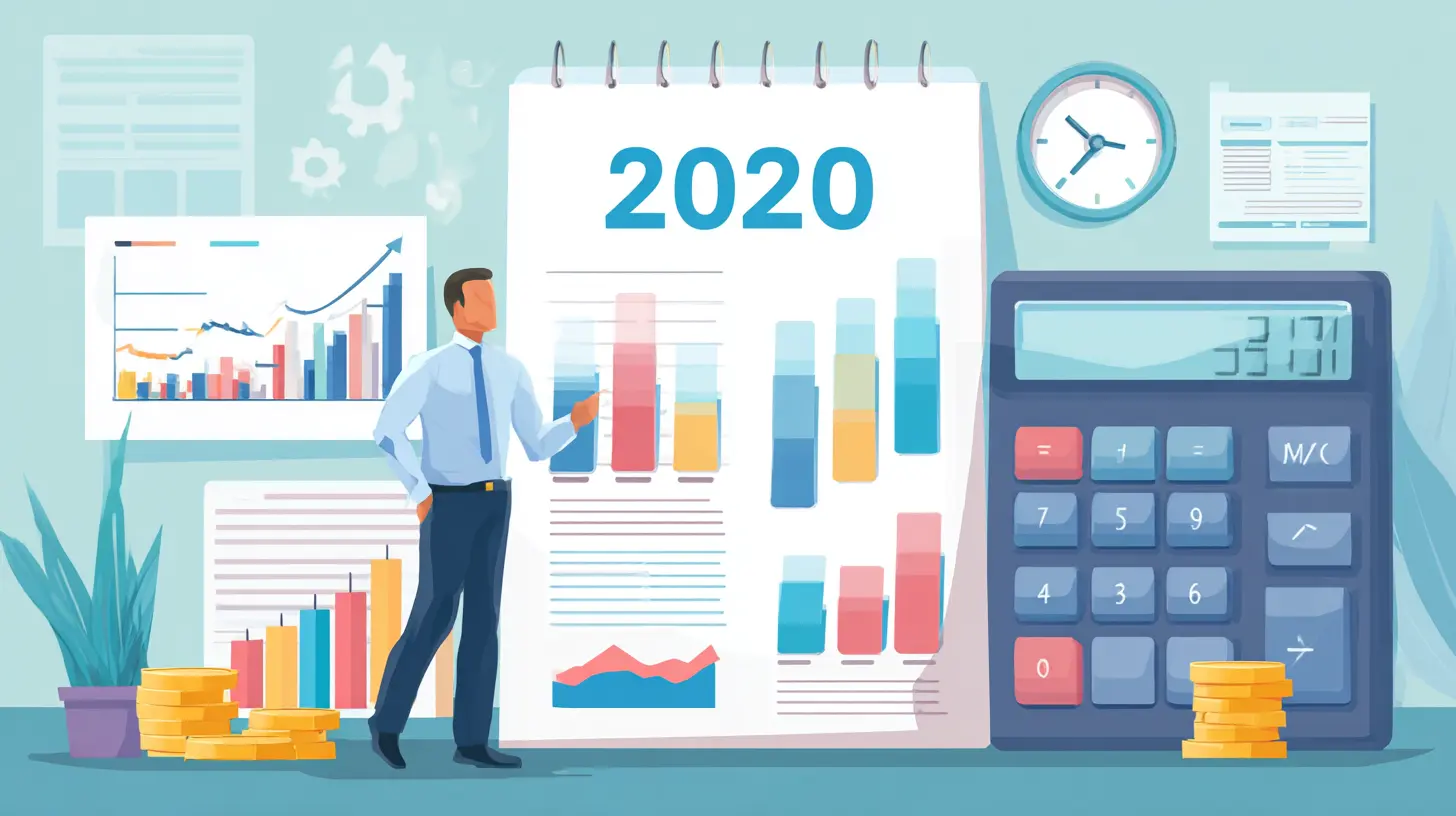
Why Your 2026 Review Will Feel Different (And That’s Okay)
First, let’s acknowledge the emotional landscape. If the past few years have taught us anything, it’s that the only constant is change. Economic tides shift, life throws curveballs, and our own priorities evolve. By 2026, the financial world will have integrated the lessons of today’s uncertainties. Your review will likely feel less like a simple check-up and more like a strategic "life alignment" session.You’ll be asking deeper questions: Is my money supporting the life I actually want to live? Does my financial structure have the flexibility to handle surprises? This shift from pure number-crunching to holistic life-planning is a beautiful, if challenging, evolution. It means your finances finally become a true tool for your well-being, not just a scorecard.

The 2026 Financial Climate: Setting the Stage
While we can’t know exact details, we can look at current trajectories. By 2026, we can expect a few key themes to dominate the conversation:* The AI-Integrated Economy: Artificial intelligence won’t just be a buzzword; it will be a core tool for budgeting, investing, and spotting fraud. Your financial review will likely involve assessing which AI-powered tools serve you best.
* Hyper-Personalization: Gone are the days of one-size-fits-all advice. Everything from your banking apps to your investment portfolio will be tailored with a precision that feels personal.
* Continued Focus on Resilience: The concept of an emergency fund will have matured. We’ll talk about "resiliency layers"—cash buffers, accessible low-risk assets, and insurance—as a standard part of any healthy plan.
Think of it like weatherproofing your house. You’re not just checking if the roof has holes; you’re reinforcing the foundation, sealing the windows, and maybe even installing a generator. You’re preparing for seasons, not just storms.

Core Components of Your 2026 Financial Review
Alright, let’s roll up our sleeves. What will you actually be looking at? Here’s where the rubber meets the road.The Net Worth Snapshot: Your Financial Fingerprint
This is your starting point, your "you are here" dot on the map. In 2026, pulling this together will be easier than ever, thanks to linked financial dashboards. But the analysis will be richer. You won’t just note the number. You’ll look at the composition.Is your net worth overly concentrated in one asset, like your house? Are your retirement accounts growing at a healthy clip compared to your age? This snapshot tells a story—are you the author, or are you just a character being pushed along by the plot?
Cash Flow: The Rhythm of Your Money
Cash flow is the heartbeat of your financial life. By 2026, subscription fatigue will be a major review topic. How much is quietly dripping out each month for services you barely use? More importantly, you’ll align your spending with your values with greater intention.You might ask: "Does my spending on dining out bring me more joy than increasing my contributions to my ‘future travel’ fund?" It’s not about deprivation; it’s about conscious choice. Your budget becomes a "conscious spending plan," a document that empowers your happiness, not restricts it.
Debt Review: From Burden to Strategy
The dialogue around debt will have evolved. We’ll move beyond "all debt is bad" to "what is this debt doing for me?" High-interest credit card debt will still be a top-priority fire to put out. But what about a low-interest mortgage or a student loan that enabled a higher earning potential?Your 2026 review will involve a strategic ranking: which debts are anchors holding you back, and which are simply part of your financial engine? You’ll craft a payoff plan that considers interest rates, but also your personal peace of mind.
Investment & Retirement Check-Up: Planting Trees for Future Shade
This is where a lot of anxiety lives. But by 2026, the mantra "time in the market beats timing the market" will be deeply ingrained. Your review will focus less on daily swings and more on asset allocation—the mix of stocks, bonds, and other assets in your portfolio.Is your mix still appropriate for your age and risk tolerance? It’s like a garden. You don’t yank up the plants every day to check the roots. You ensure they have the right soil (asset mix), you water them consistently (regular contributions), and you prune occasionally (rebalancing). The 2026 review is your seasonal gardening session.
Insurance & Protection: Your Financial Safety Net
This is the part we often gloss over, but it’s arguably the most compassionate act of self-care. In 2026, you’ll review:* Life Insurance: Is the coverage amount still sufficient for your family’s needs?
* Disability Insurance: Could you cover your expenses if you couldn’t work?
* Property & Auto: Are you adequately covered without overpaying?
* Cyber Insurance: With so much of our lives online, this might be a standard part of the review.
This isn’t about fear. It’s about love. It’s saying, "If life goes sideways, the people and things I care about will be okay."
Estate Planning: The Ultimate Act of Clarity
Let’s gently address the elephant in the room. Estate planning isn’t just for the wealthy or the elderly. It’s a gift of clarity for your future self and your loved ones. Your 2026 review should check:* Will/Trust: Is it updated?
* Beneficiaries: Are they current on retirement accounts and life insurance?
* Power of Attorney & Healthcare Directive: Have you named trusted people to act if you cannot?
It’s the ultimate instruction manual for your wishes. Not having one is like leaving a complicated puzzle for your grieving family to solve.

The Human Element: Goals, Mindset, and Well-Being
Here’s the soul of your 2026 review. The numbers are meaningless without context. This section is about why.Revisiting Your "Why": What were you saving for in 2024? A house? A sabbatical? By 2026, has that goal been achieved, changed, or evolved? Your financial plan is a ship; your goals are the destination. It’s okay to change course.
Financial Mindfulness: How does thinking about money make you feel? Anxious? Empowered? Indifferent? Your 2026 review should include a kindness check-in. Are you berating yourself for past mistakes, or are you celebrating your progress? Your mindset is the soil in which your financial garden grows.
Seeking Help: By 2026, seeking a financial therapist or a fiduciary advisor will be as normalized as seeing a personal trainer. If this process feels overwhelming, that’s a sign, not a failure. It’s a sign to bring in a guide.
Your Action Plan: Starting Today for a Smoother 2026
Feeling overwhelmed? Don’t. The best time to plant a tree was 20 years ago. The second-best time is today. You don’t have to do everything at once.1. Start a "2026" Note: Open a note on your phone or a document on your computer. Jot down one financial goal for 2026. Just one.
2. Pick One Section: From this article, choose one area (maybe cash flow or insurance) and spend 30 minutes this month getting organized.
3. Schedule the Review: Literally. Put a recurring event in your calendar for January 2026. Call it "Future Me Appreciation Day."
Your future self in 2026 is sitting there right now, hoping present-day you will show them a little compassion. They’re hoping you’ll make the tough call, have the awkward conversation, or spend the quiet hour planning. When you sit down for that 2026 review, you won’t see a tangled mess. You’ll see a tapestry you wove with intention, patience, and self-care. And that, more than any net worth figure, will be your greatest wealth.
all images in this post were generated using AI tools
Category:
Yearly Financial ReviewAuthor:

Angelica Montgomery
Discussion
rate this article
2 comments
Ariella Gill
Great insights on upcoming trends. Analyzing these factors will be crucial for smart financial planning.
May 15, 2026 at 4:19 AM
Angelica Montgomery
Thanks for your feedback! I agree, staying ahead of trends is key for effective planning.
Thorne Morris
As you prepare for your 2026 financial review, focus on setting clear goals, reassessing your investment strategy, and staying informed on economic trends to make informed decisions and adapt to changing market conditions.
April 15, 2026 at 11:51 AM
Angelica Montgomery
Thank you for the insightful tips! Setting clear goals and staying informed are crucial for a successful financial review.