The Impact of Inflation on Your Long-Term Savings Goals
4 June 2026
When you set your long-term savings goals—whether it’s buying your dream home, sending your kids to college, or retiring comfortably—you probably think mostly about how much money you can tuck away. But there's a silent saboteur that messes with your financial future: inflation.
If you've ever wondered why your weekly grocery bill seems higher than it used to be or why a movie ticket now costs what a whole dinner used to, you’ve experienced inflation firsthand. But how does that impact your hard-earned savings years from now? Let’s dig into how inflation affects your financial goals and what you can do to beat it.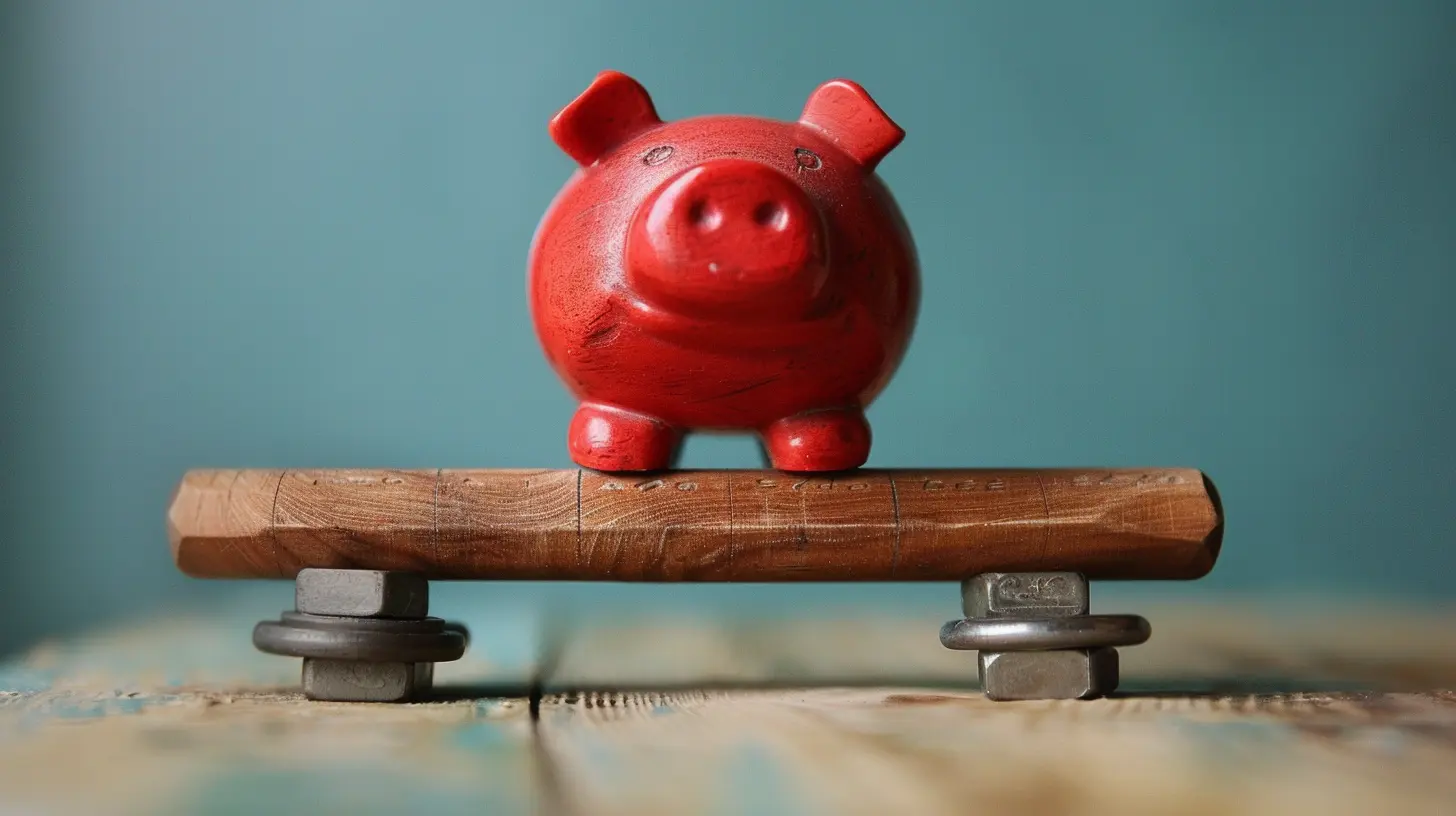
What Exactly Is Inflation, Anyway?
Before we dive in, let’s clear up what inflation actually is. Simply put, inflation is the increase in prices over time. When inflation rises, the purchasing power of your money drops. This means $100 today won't buy you the same amount of goods or services as it did ten years ago—or even one year ago in some cases.Think of inflation like termites. You might not see the damage right away, but if left unchecked, it slowly eats away at the structure—your future purchasing power.
The Sneaky Way Inflation Steals from Your Savings
Let’s say you’ve got $10,000 tucked away in a savings account, and you earn 1% interest annually. Sounds decent at first glance, right?But if the inflation rate is 3%, your money is effectively losing value every year. Despite earning interest, what you can actually buy with that $10,000 is shrinking. You’re technically going backward—and that’s a scary thought if you’re saving for something 10, 20, or 30 years down the road.
Here's a visual:
If inflation averages 3% a year, the value of your money halves in about 24 years. Just imagine planning your retirement on half the buying power you expected. Ouch.
Why Inflation Matters for Long-Term Goals
You might think, "Okay, so prices go up. Big deal. I’ll just save more."Well, it's not that simple.
Let's walk through how inflation affects specific long-term savings targets:
1. Retirement Planning Gets Tricky
When you're 30 and thinking about retiring at 65, that’s 35 years of inflation to factor in. A lifestyle that costs $50,000 per year today could cost well over $140,000 a year by the time you retire (assuming average inflation of 3%).So if you’re not saving and investing with inflation in mind, you could come up short—really short.
2. College Tuition Costs Skyrocket
Thinking ahead to pay for your kids’ college education? College costs tend to outpace regular inflation, sometimes rising around 5-7% annually. That means the $20,000-a-year university today might cost $40,000 or more in just a decade.If you’re saving with today’s tuition in mind, you’ll be in for a rude awakening later on.
3. Buying a Home in the Future
Housing prices are also influenced by inflation. Land, materials, and labor all become more expensive. So if you’re planning to buy a house in 10 years and saving $50,000 for a down payment now, that same house might require $80,000 or more down the road.
Cash Is Not Always King
We’re told from a young age to save money. And while that’s excellent advice, not all saving is equal. Parking your money in a low-interest savings account or under your mattress might keep it "safe" from market volatility, but it doesn't protect you from inflation. In fact, it guarantees a slow loss in value.This is why many experts say: “Saving alone won’t make you rich; it might not even keep you afloat.”
The Inflation-Adjusted Future: A Simple Example
Let’s try a down-to-earth example. Say you’re saving for your dream vacation 10 years from now. You estimate it’ll cost $10,000. So you save $1,000 a year.However, if inflation averages just 3% per year, that same vacation could cost roughly $13,400 in 10 years. If you only save $10,000, you’ll fall short—unless you increased your savings each year or your money grew faster than inflation.
How to Protect Your Long-Term Savings from Inflation
Alright, enough of the doom and gloom. Let’s pivot to solutions. The good news? You’re not powerless against inflation. You just need the right strategies.1. Invest, Don’t Just Save
If your money grows at a rate higher than inflation, you’re winning. Historically, stocks have returned around 7-10% annually (after adjusting for inflation), which beats inflation over the long haul.That doesn’t mean you should dump everything into the stock market tomorrow. But a diversified investment plan that includes stocks, bonds, and maybe even real estate can help keep your savings on pace (or ahead of) inflation.
2. Use Inflation-Linked Investments
There are some financial tools made specifically to tackle inflation:- TIPS (Treasury Inflation-Protected Securities): These U.S. government bonds adjust with inflation.
- I Bonds: Also issued by the U.S. Treasury, they provide interest that’s partly linked to inflation.
- Real Assets: Think gold, commodities, and real estate, which often retain or grow in value during inflationary periods.
These options can be great long-term hedges.
3. Increase Contributions Over Time
Make it a habit to boost your savings rate annually, especially if your income increases. That extra bump—say, 1-2% more each year—can help you stay ahead of rising costs without feeling the pinch.4. Diversify Your Savings Buckets
Use different types of accounts with varied tax treatments—401(k)s, Roth IRAs, HSAs, etc. This gives you more flexibility when inflation affects different spending categories in retirement.5. Revisit and Adjust Your Goals
Don’t set it and forget it. Inflation rates and market returns fluctuate. That’s why it's important to review your progress yearly, update projections, and make adjustments.Treat your savings goals like a GPS—you need to recalculate the route every so often if you want to reach your destination.
Common Myths About Inflation and Saving
Let’s bust a few myths that cause people to fall behind:"Inflation doesn’t affect me right now, so it’s not a big deal."
Actually, it’s always affecting you. You just don’t notice until years have passed. By then, it’s too late to catch up easily."All savings accounts are the same."
Nope! A high-yield savings account, CDs, or money market accounts give better returns than basic ones—but still may not beat inflation."Inflation is unpredictable, so why bother planning?"
Yes, inflation can vary, but that’s not an excuse for inaction. Planning with average estimates (like 2-3%) gives you a solid starting point.Your Action Plan: Stay Ahead of Inflation
Let’s wrap this up with a simple, no-nonsense checklist to make sure inflation doesn’t derail your dreams:✅ Understand how inflation impacts your specific goals
✅ Avoid relying solely on cash savings
✅ Invest wisely with long-term growth in mind
✅ Reevaluate your goals and contributions every year
✅ Diversify your investments and savings vehicles
✅ Consider inflation-adjusted tools like TIPS and I Bonds
By being proactive now, you’re essentially “inflation-proofing” your future self. And let’s be honest—your future self will thank you big time.
Final Thoughts
Inflation might seem like a boring economic term, but it’s secretly one of the biggest players in your financial life story. It quietly chips away at your goals unless you actively fight back. The trick is not to fear it—but to plan for it.The earlier you start adjusting for inflation in your long-term savings strategy, the better off you’ll be. Don’t let inflation rob your future. Be smart, get informed, and stay one step ahead.
all images in this post were generated using AI tools
Category:
Savings GoalsAuthor:

Angelica Montgomery
Discussion
rate this article
1 comments
Rayna Anderson
Inflation erodes purchasing power, making it crucial to adjust savings strategies. Consider investing in assets that outpace inflation for growth.
June 7, 2026 at 4:20 AM
Angelica Montgomery
Absolutely. Adapting savings strategies to combat inflation is essential. Investing in growth-oriented assets can help protect and enhance your purchasing power over time.