The Benefits of Digital Tools in Reaching Your Savings Goals
25 May 2026
Let’s be honest—saving money can feel like trying to fill a leaking bucket. You put some in, and before you know it, whoosh… it's gone. Bills pop up, impulse buys strike, and suddenly, your savings goal seems like a distant dream. But here’s the good news: in our ultra-connected world, digital tools have become your personal financial sidekicks. They’re smart, fast, and surprisingly motivating.
Whether you're aiming for a tropical vacation, a down payment on a house, or just want to stop living paycheck to paycheck, digital tools can help turn those "maybe someday" dreams into real, tangible progress. Let’s dig into the benefits of using digital tools to crush your savings goals—without feeling like you're missing out on life.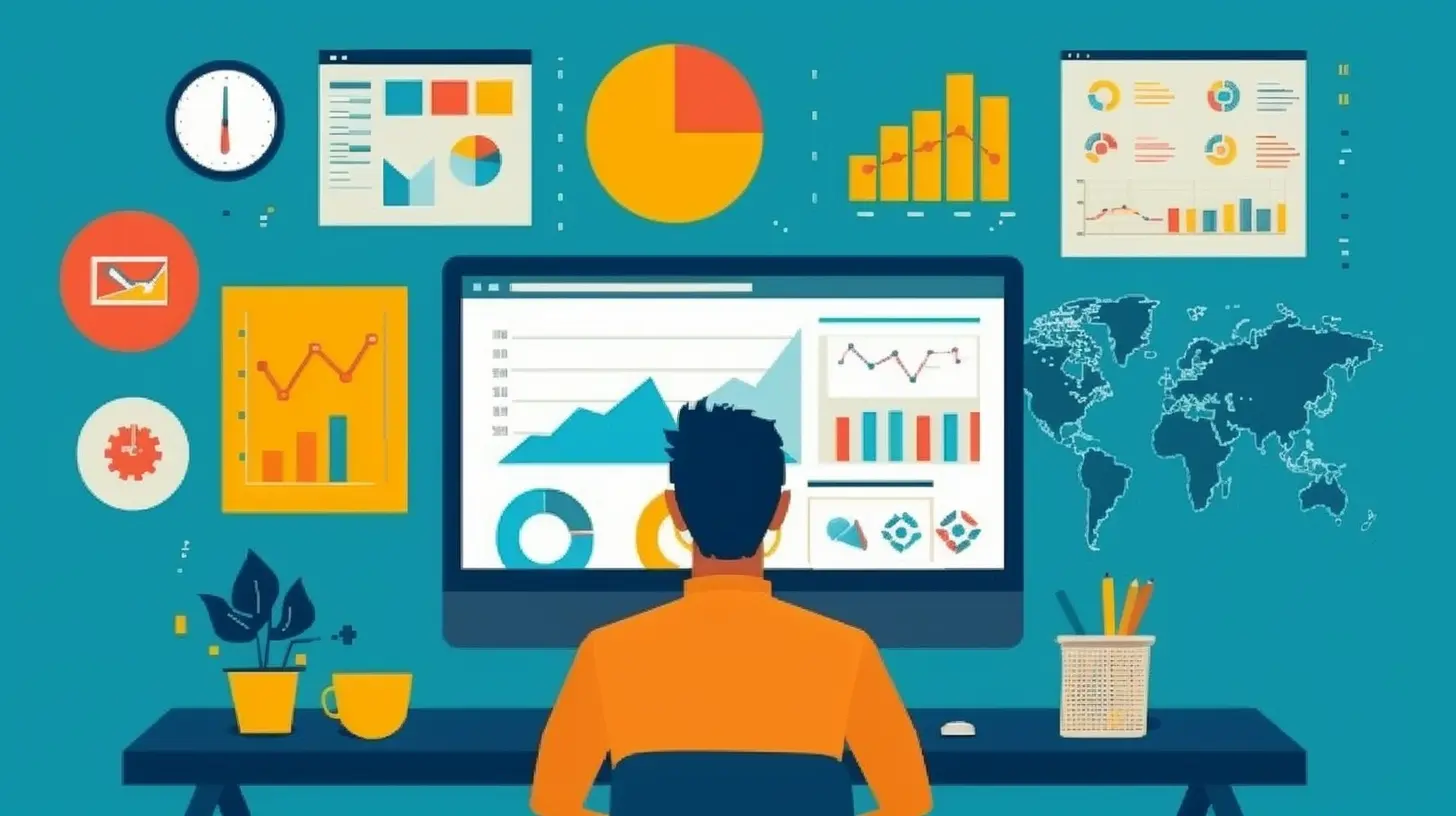
Why Saving Money Has Always Been Tough
Before we jump into the techy goodness, let's talk about why reaching savings goals can be so tricky. Traditional saving methods often rely on willpower and outdated systems (hello, piggy banks and envelopes). But we’re human—temptation is everywhere, and keeping track of expenses on pen and paper is not only boring but time-consuming.Add to that the rise in living costs and the pressures of instant gratification (thank you, one-click shopping), and it's no wonder we're struggling to save.
Now, enter digital tools—your modern-day financial lifesavers.
The Rise of FinTech: Your Wallet’s Smartest Friend
You’ve probably heard the term “FinTech” thrown around. It stands for Financial Technology, and it's all about using digital innovation to make managing money easier, faster, and more effective. From budgeting apps to automated savings platforms and AI-powered financial advisors, these tools bring clarity and control into your financial life.And here's the best part: they do most of the heavy lifting for you.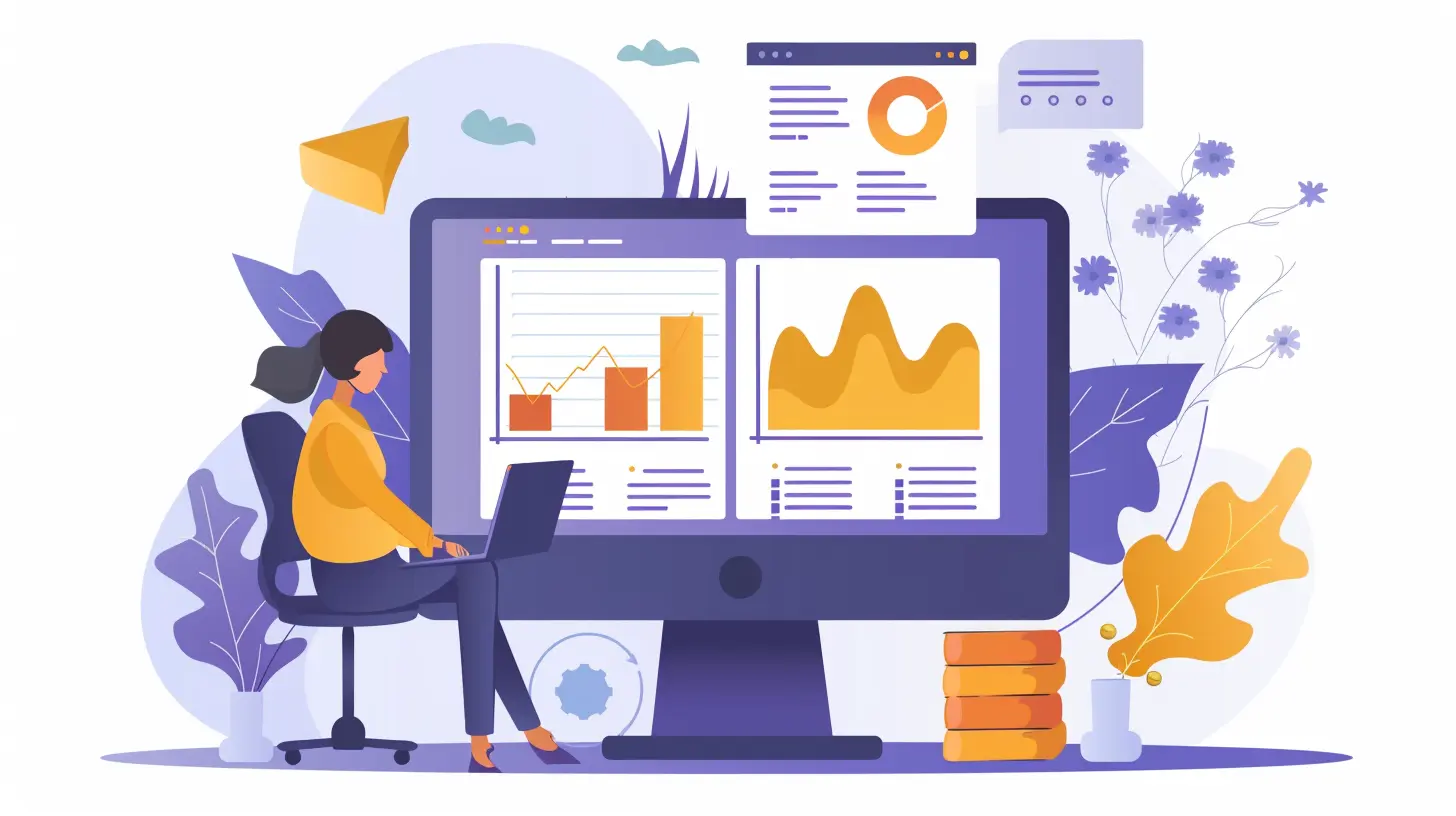
1. Budgeting Apps: The Foundation of Saving
Let’s start with the basics—budgeting. Because you can't save what you don't track.How budgeting apps help:
- Real-Time Tracking: Apps like Mint, YNAB (You Need A Budget), and PocketGuard help you see exactly where your money is going the moment you spend it.
- Goal-Based Saving: Want to save $1000 in 6 months? These apps let you set that goal and track your progress in real-time.
- Custom Spending Categories: You'll know if you're overspending on coffee or subscriptions (you probably are).
Budgeting apps make your spending habits visible—which is the first step toward changing them. It’s like doing a financial detox.
Why it works: When you see how much those daily lattes add up to each month, it stings a bit. That sting is what motivates change.
2. Automatic Savings Tools: Saving Without Thinking
If budgeting tools help with awareness, automatic savings tools are all about action—and effortless action at that.What are they? Apps like Digit, Qapital, and Chime automatically transfer small amounts from your checking account to savings, based on your behavior and preferences.
Why they’re awesome:
- Set and Forget: Once you set it up, it runs in the background.
- Micro-Saving: You don’t need to transfer $500 at once. Some tools round up your purchases and stash the spare change.
- Smart Algorithms: Many use AI to predict safe amounts to withdraw so you won’t overdraft.
It’s like having a tiny, invisible accountant who makes sure you're saving without you even noticing.
3. High-Yield Savings Accounts: Making Your Money Work Harder
If your savings are sitting in a traditional bank account earning 0.01% interest, you might as well stick it under your mattress. High-yield savings accounts, offered by online-only banks, offer significantly higher interest rates.Benefits:
- Compound Interest: Even small balances grow faster over time.
- Easy Access: Unlike investing, you can withdraw your money at any time.
- No Monthly Fees: Most have no maintenance fees or minimum balance requirements.
Digital tools like Ally, Marcus by Goldman Sachs, and Varo offer slick mobile apps to monitor your savings and growth.
Pro Tip: Set up auto-transfers from your checking to your high-yield savings right after payday. Pay yourself first!
4. Goal-Based Savings Platforms: Turn Dreams into Plans
You know when you write something down, it suddenly feels more real? Same goes for saving. Digital tools like SmartyPig or even the “Goals” feature in newer banking apps help you visualize your savings.Instead of throwing all your savings into one pile, you can create separate "buckets" for different goals:
- Emergency Fund ?
- Vacation to Greece ??
- New Laptop ?
- Holiday Shopping ?
Each bucket has a target amount and deadline. Watching those bars fill up? Super satisfying.
5. Investment Apps: Save More, Grow More
If you're ready to take your savings to the next level, investment apps can help your money grow beyond what a bank account offers.Top Picks:
- Acorns: Rounds up your purchases and invests the spare change.
- Robinhood or Webull: For hands-on investing in stocks and ETFs.
- Betterment or Wealthfront: Robo-advisors that manage it all for you.
While your emergency fund should stay liquid, longer-term goals (like retirement or a house down payment) can benefit from potential market returns.
Not sure where to begin? Most of these apps have beginner-friendly interfaces and education built-in. It's like having an investing buddy in your pocket.
6. Expense Trackers: Stay Mindful, Not Miserable
Sometimes, it's not about creating a budget or moving money—it's about staying aware. Expense tracking tools let you log your daily spending quickly and painlessly.Think of it like a fitness tracker, but for your wallet. The simple act of writing down “$14.99 Netflix subscription” or “$42 Uber Eats” might just make you pause before repeating the same action tomorrow.
Popular tools: Spendee, Wally, or even a simple spreadsheet connected to Google Sheets with automation tools like Tiller.
7. Financial Coaches and Chatbots: Advice When You Need It
Let’s face it, not everyone wants to hire a financial advisor. But what if you had one in your phone—available 24/7?AI-powered financial coaches are built into many tools today. Even apps like Cleo or Emma use fun, conversational interfaces (and memes!) to tell you how much you’ve spent on tacos this month—or why you should probably chill on those Amazon purchases.
It’s like having your very own finance-savvy friend who gives you honest feedback.
8. Accountability Features: Stay on Track Without Shame
Here's a cool thing: some apps let you add friends or partners to your goal. Say you and your partner are saving for a wedding or a vacation. With shared digital tools, you can both contribute and visualize progress together.Even solo savers can benefit. Some apps send gentle nudges or even embarrassing reminders (like public tweets) if you veer too far off course—if you're into that sort of motivation!
9. Gamification: Make Saving Fun Again
Yes, you read that right. Saving can actually be fun.Gamified apps like Long Game turn saving into a game. You earn chances to win real prizes by saving money. It’s like playing a lottery where you don’t lose—because even if you don’t "win," you still get to keep your money.
Sounds silly. Totally works.
10. Real-Time Insights & Personalization
When tools know your goals, income, and habits, they can give you tailored advice.Maybe you got a bonus at work. Several tools will suggest how much of it to save before you even think of spending it. Or if your spending spikes during the holidays (guilty!), digital tools can prepare you with reminders, reports, and adjustments in advance.
This kind of personalization goes beyond basic budgeting. It keeps you proactive, not just reactive.
Final Thoughts: Saving Doesn’t Have to Suck
Let’s be real—we’ve all tried and failed to save at some point. Life gets busy. Unexpected things happen. But digital tools give you an edge. They bring clarity, streamline decision-making, and keep you accountable in ways we’ve never had before.Saving money isn’t about being frugal or giving up your favorite things. It’s about having freedom—the peace of mind that comes from knowing you're prepared.
Digital tools are like your GPS on the road to financial wellness. You set the destination, and they help you navigate every twist, turn, and detour along the way.
So pull out your phone, download a few apps, and give it a go. Your future self is already fist-bumping you.
all images in this post were generated using AI tools
Category:
Savings GoalsAuthor:

Angelica Montgomery
Discussion
rate this article
1 comments
Fiona Jordan
Embracing digital tools is a game changer for savings. They offer real-time tracking, tailored budgeting, and easy goal setting. In today's fast-paced world, leveraging technology is not just smart; it's essential for achieving financial success.
May 28, 2026 at 10:39 AM
Angelica Montgomery
Absolutely! Digital tools make it easier than ever to manage finances and reach savings goals. They really do transform how we handle money.