’s Biggest Financial Surprises
20 August 2026
Money has a way of humbling everyone. No matter how carefully you plan, how many spreadsheets you build, or how many advisors you consult, something will eventually happen that you did not see coming. Some of these surprises are pleasant. Most are not. But the real problem is not that surprises happen. The problem is that most people build their financial lives on assumptions that were never tested.
This article looks at the biggest financial surprises that catch people off guard, why they happen, and what you can actually do about them. The goal is not to predict the future. It is to help you build a financial foundation that can absorb shocks instead of crumbling under them.
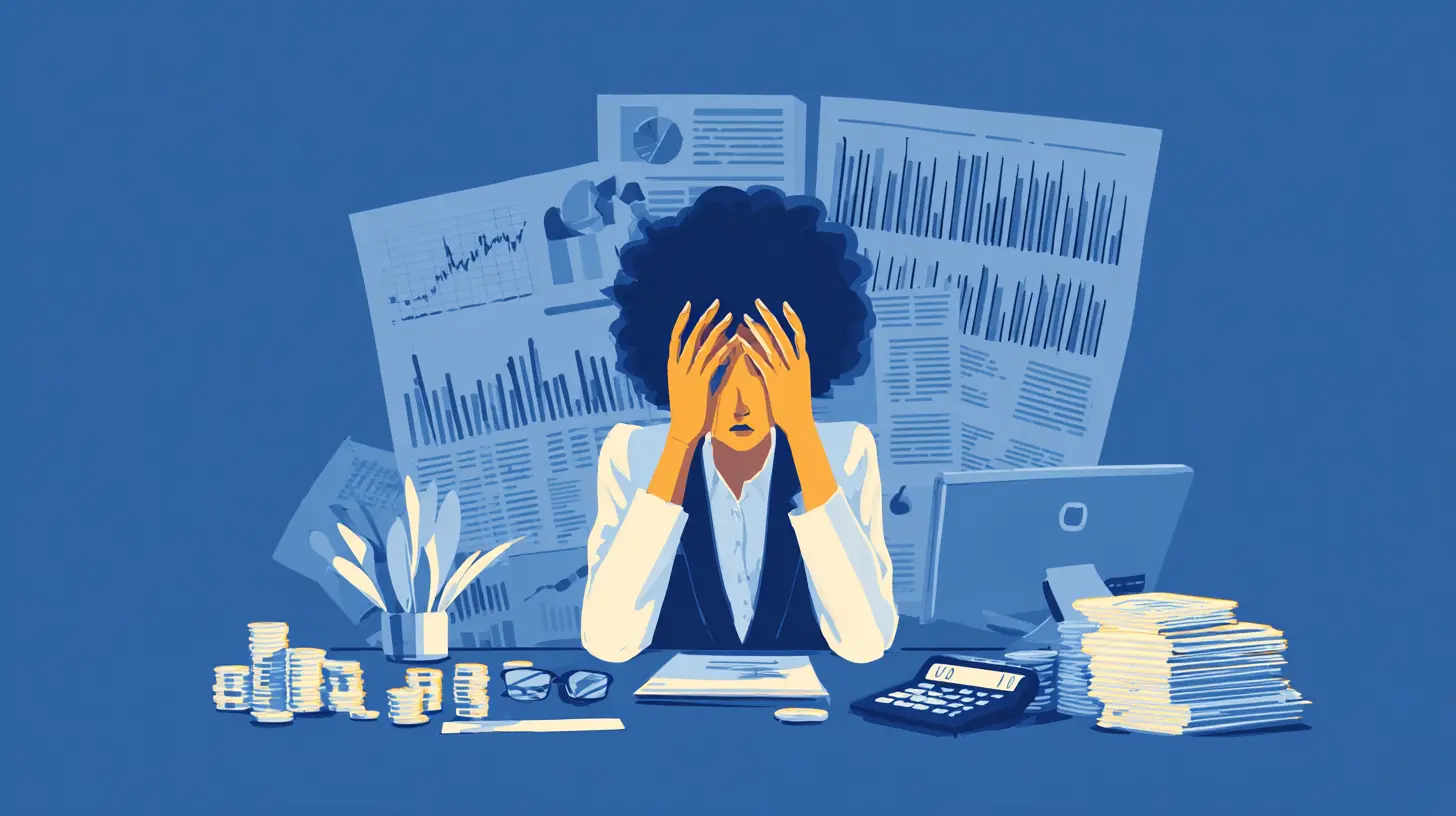
The Surprise of Compounding in Reverse
Everyone has heard about the magic of compound interest. Save early, let it grow, and time does the heavy lifting. That is true. But almost nobody talks about the fact that compounding works just as powerfully in reverse. Debt compounds. Fees compound. Lifestyle inflation compounds. And the effects are just as dramatic, only in the wrong direction.Consider a young professional who carries a credit card balance of five thousand dollars at a nineteen percent interest rate. If they only make minimum payments, that balance can take over twenty years to clear. The total interest paid will be several times the original amount. That is not a math error. That is compounding working against you with the same relentless force that grows a retirement account.
The surprise here is not that interest exists. The surprise is how quickly small recurring costs become enormous lifetime costs. A monthly subscription that costs fifteen dollars might seem trivial. Over thirty years, with a modest opportunity cost, that same subscription could represent over ten thousand dollars in lost wealth. The same logic applies to bank fees, higher insurance premiums, and even slightly more expensive groceries.
The practical takeaway is to audit your recurring expenses as if they were investments. Because in a real sense, they are. Every dollar that leaves your account every month is a decision about what your future self will have. Most people never perform this audit because it feels small. But small leaks sink large ships.

The Timing Trap
Another major surprise is that your savings rate matters more than your investment returns, at least early on. Many people obsess over picking the right stocks or finding the perfect fund. They spend hours reading market forecasts and analyzing charts. Meanwhile, they save almost nothing because they are spending everything they earn.Here is the uncomfortable truth. If you save ten percent of a fifty thousand dollar salary, that is five thousand dollars a year. Even a spectacular twelve percent annual return on that amount produces a gain of only six hundred dollars in the first year. But if you increase your savings rate to twenty percent, you add an extra five thousand dollars to your base. No investment strategy can compete with that gap in the early years.
This is why so many high earners end up with surprisingly little wealth. They assume that a big salary automatically leads to big net worth. But without a high savings rate, a big salary just means bigger spending. The surprise is that financial security is built more by behavior than by income. You can earn a fortune and still be broke. You can earn a modest living and still build real wealth. The difference is almost always the savings rate.
The trade-off is that a high savings rate can feel restrictive. You might have to skip vacations, drive an older car, or live in a smaller home than your peers. But the alternative is to look up in your fifties and realize that you have nothing to show for decades of work. That is a far worse surprise.

The Real Cost of Homeownership
Owning a home is still considered the default path to wealth in many countries. And it can be. But the surprise for most first-time buyers is that the mortgage payment is only the beginning. The true cost of homeownership includes property taxes, insurance, maintenance, repairs, utilities, and the opportunity cost of the down payment.A common rule of thumb is to set aside one to three percent of the home's value each year for maintenance. On a three hundred thousand dollar home, that is three to nine thousand dollars annually. Most buyers do not budget for this. They barely manage the mortgage, and then the water heater dies, the roof starts leaking, or the HVAC system gives out. These are not rare events. They are certain events. The only question is when.
There is also the hidden cost of illiquidity. Your down payment is tied up in an asset that cannot be quickly sold without significant friction. If life throws you a curveball, like a job loss or a medical emergency, you cannot easily tap into your home equity. You can, however, sell stocks or draw down a savings account. That flexibility is worth something, and it is often ignored in the emotional decision to buy a home.
This is not an argument against homeownership. For many people, it is a great decision. But the surprise is that renting is not always "throwing money away." Renting gives you flexibility, predictable costs, and the ability to invest your down payment elsewhere. In high-cost cities, renting and investing the difference can leave you wealthier than buying, especially if you move within a few years.
The key is to run the real numbers. Compare the total cost of owning, including all the hidden expenses, against the total cost of renting. Do not rely on vague feelings about building equity. The math will tell you which choice is actually better for your situation.

The Danger of Certainty
Financial markets are built on uncertainty. Yet most people approach investing as if they can know what will happen next. They hear a story about a friend who made a fortune in crypto, or a relative who timed the market perfectly, and they assume they can do the same. The surprise is that the people who win these bets rarely tell you about the ones they lost.The truth is that no one can consistently predict short-term market movements. Not professional fund managers, not economists, not algorithmic trading systems. Anyone who claims otherwise is either deluded or trying to sell you something. The markets are driven by a complex mix of data, emotion, politics, and random events. Trying to predict them is like trying to predict the weather a year from now. You might get lucky, but you cannot build a reliable strategy on luck.
This is why index funds and diversified portfolios have become so popular. They do not try to beat the market. They simply capture the market's long-term growth. The trade-off is that you will never have the thrill of picking a winner that doubles overnight. But you will also never suffer the devastation of picking a loser that goes to zero.
The practical advice is to decide on an asset allocation that matches your risk tolerance and your time horizon. Then stick with it through the ups and downs. The biggest mistake is not having a bad strategy. The biggest mistake is having a good strategy and abandoning it at the worst possible moment, like selling everything during a panic and missing the recovery.
The Hidden Cost of Lifestyle Creep
When people get a raise, they almost always increase their spending. A bigger salary leads to a nicer car, a fancier apartment, more dinners out, and a more expensive wardrobe. This is so common that it has a name: lifestyle creep. The surprise is that this pattern can continue indefinitely, no matter how much you earn.A person who makes one hundred thousand dollars spends nearly everything. So does a person who makes two hundred thousand dollars. And so does a person who makes five hundred thousand dollars. The scale changes, but the behavior does not. The result is that many high earners live paycheck to paycheck, just like minimum wage workers, only with better shoes.
The problem is that lifestyle creep is gradual. It does not feel like a decision. It feels like a natural response to having more money. But every dollar spent on a higher lifestyle is a dollar that is not being saved or invested. Over time, this creates a massive gap between what you could have accumulated and what you actually have.
The fix is not to live like a monk. It is to automate your savings before you ever see the money. If your raise goes directly into a retirement account or an investment portfolio, you never have the chance to spend it. This is called paying yourself first, and it is one of the most effective wealth-building habits that exists. The surprise is that you will not miss the money nearly as much as you think you will. Humans adapt quickly to their circumstances, both upward and downward.
The Illusion of Job Security
Most people assume that their job will be there tomorrow. They build budgets and take on debt based on the assumption of a steady paycheck. Then the company gets acquired, the industry shifts, or the economy tanks, and suddenly the job is gone. The surprise is not that layoffs happen. It is that they happen to people who thought they were safe.No job is truly secure. Not in tech, not in healthcare, not in government, not in education. Industries change. Technologies disrupt. Companies merge or fail. The only real security comes from having skills that are in demand and a financial cushion that gives you time to find a new opportunity.
This is why emergency funds are so important. A common recommendation is to save three to six months of living expenses. But in a volatile job market, that might not be enough. If you work in a field with long hiring cycles, consider saving closer to twelve months. The cost of holding that cash is the lost investment returns. But the benefit is peace of mind and the ability to make decisions from a position of strength, rather than desperation.
Another aspect of job security is your network. People who have strong professional relationships are far more likely to find new opportunities quickly. The time to build that network is not when you need it. It is before you need it. Attend events, stay in touch with former colleagues, and be genuinely helpful to others. This is not just career advice. It is financial advice, because your earning potential is your biggest asset.
The Tax Bill Nobody Expects
Taxes are complicated, and most people do not understand them until they get a nasty surprise. One of the most common surprises is the tax bill that comes from selling an investment. If you bought a stock for ten thousand dollars and it grows to fifty thousand dollars, selling it triggers capital gains tax on the forty thousand dollar profit. Many people do not plan for this and are shocked when they owe a significant amount.Another surprise is the alternative minimum tax, or AMT, which can affect people who take certain deductions or have certain types of income. There is also the tax on Social Security benefits, which can kick in at surprisingly low income levels. And if you have a side business, you may owe self-employment tax, which covers both the employee and employer portions of Social Security and Medicare.
The key is to plan for taxes rather than react to them. This means understanding your marginal tax rate, using tax-advantaged accounts like IRAs and 401(k)s, and being strategic about when you sell investments. It also means not ignoring the tax implications of big financial decisions, like selling a home, rolling over a retirement account, or receiving an inheritance.
A common mistake is to focus only on the federal tax rate and ignore state taxes. Some states have no income tax, while others have rates that can add several percentage points. This can make a huge difference over a lifetime. If you are considering relocating in retirement, the tax environment should be part of your decision.
The Cost of Procrastination
The biggest financial surprise for many people is not a single event. It is the cumulative cost of putting things off. Waiting to start saving for retirement, waiting to buy life insurance, waiting to write a will, waiting to pay off high-interest debt. Each delay seems harmless in the moment, but the long-term cost is enormous.Consider two people who both want to retire at sixty-five. One starts saving at twenty-five, putting away three hundred dollars a month. The other starts at thirty-five, putting away the same amount. Assuming a seven percent annual return, the first person will have roughly double the retirement savings of the second, even though they both saved the same amount per month. The ten-year delay costs hundreds of thousands of dollars.
The same logic applies to insurance. Buying life insurance when you are young and healthy is cheap. Waiting until you are older or develop a health condition can make the premiums much higher, or even make you uninsurable. The surprise is that the cost of delay is often greater than the cost of the product itself.
The solution is to stop waiting for the perfect moment. The perfect moment does not exist. Start with a small amount, even if it feels insignificant. Increase it over time. The habit of taking action is more important than the size of the action.
The Emotional Side of Money
Most financial advice focuses on numbers. But money is deeply emotional. People overspend to feel good, hold losing investments because they hate admitting mistakes, and avoid looking at their accounts because they are afraid of what they will see. These emotional patterns are the root cause of most financial problems.The surprise is that your personality affects your finances more than your income does. Someone who is disciplined and patient can build wealth on a modest salary. Someone who is impulsive and anxious can destroy wealth no matter how much they earn. This is not a moral judgment. It is just a fact about how humans behave.
The best way to manage the emotional side of money is to automate as much as possible. Automate your savings, automate your bill payments, automate your investments. When decisions are made automatically, you do not have to rely on willpower. Willpower is a limited resource. It gets depleted by stress, fatigue, and decision fatigue. Automation removes the need for willpower.
Another useful strategy is to create a spending plan that includes guilt-free money. If you know that a certain amount each month is for fun, you can spend it without anxiety. This prevents the binge-and-purge cycle where you restrict yourself for weeks and then blow a large amount in one weekend.
The Surprise of Good Luck
Not all surprises are bad. Sometimes things go better than expected. You get a bonus, an inheritance, or a lucky investment. The surprise is that many people mishandle windfalls. They spend them quickly, often on things that do not bring lasting happiness, and then wonder where the money went.The reason is that humans are not good at handling large sums that arrive suddenly. We are better at handling regular income that we can budget. A windfall feels like free money, so we treat it differently. But it is not free. It is the result of work, luck, or both, and it has the same value as any other money.
If you receive a windfall, the best approach is to pause. Do not make any major decisions for at least six months. Put the money in a high-yield savings account while you think. Then create a plan that balances paying off debt, building an emergency fund, investing for the future, and spending a small portion on something meaningful. This approach allows you to enjoy the windfall without wasting it.
The Bottom Line
The biggest financial surprises are not random events. They are the predictable results of common behaviors and assumptions. Compounding works in both directions. Savings rates matter more than returns. Homeownership has hidden costs. Markets are unpredictable. Jobs are not secure. Taxes are complicated. Procrastination is expensive. Emotions drive decisions.The good news is that you can prepare for all of these surprises. Not by predicting them, but by building a financial life that is resilient. That means living below your means, automating your savings, diversifying your investments, keeping an emergency fund, and staying flexible. It also means accepting that you will make mistakes and that the future is uncertain.
The most successful people with money are not the ones who never get surprised. They are the ones who have a plan for dealing with surprises when they arrive. That plan does not need to be perfect. It just needs to exist. Start today, even if you start small. Your future self will thank you.
all images in this post were generated using AI tools
Category:
Yearly Financial ReviewAuthor:

Angelica Montgomery