How to Use a Secured Credit Card to Boost Your FICO Score
29 December 2025
Your credit score is like a secret key that unlocks financial opportunities. The higher it is, the more doors open—better credit cards, lower loan interest rates, even approval for apartments or jobs. But what if your credit score isn’t exactly impressive? Or worse—what if you don’t have one at all?
Enter the secured credit card: an underrated, yet powerful tool that can help you build or rebuild your credit score. If used the right way, it can work wonders in increasing your FICO score quickly and effectively. How, you ask? Buckle up, because we’re about to break it down in a way that actually makes sense.

What is a Secured Credit Card, and Why Does It Matter?
Before diving into the strategy, let’s get one thing straight—what exactly is a secured credit card? Unlike a traditional (unsecured) credit card, a secured card requires a refundable security deposit upfront, which typically equals your credit limit.For example, if you open a secured credit card with a $300 deposit, your credit limit will be $300. Simple, right? This deposit acts as collateral, protecting the lender in case you default on payments. But here’s the real kicker—your secured card activity is reported to the credit bureaus, just like a regular credit card.
That means if you play your cards right (pun intended), you can use this financial tool to your advantage and skyrocket your credit score over time. 
How a Secured Credit Card Impacts Your FICO Score
Your FICO score (the most widely used credit scoring model) is determined by five key factors:1. Payment History (35%) – Do you pay your bills on time?
2. Credit Utilization (30%) – How much of your available credit are you using?
3. Length of Credit History (15%) – How long have you had credit accounts?
4. New Credit (10%) – How often are you applying for credit?
5. Credit Mix (10%) – Do you have different types of credit (loans, credit cards, etc.)?
A secured credit card has the potential to positively impact every single one of these factors—if used wisely. 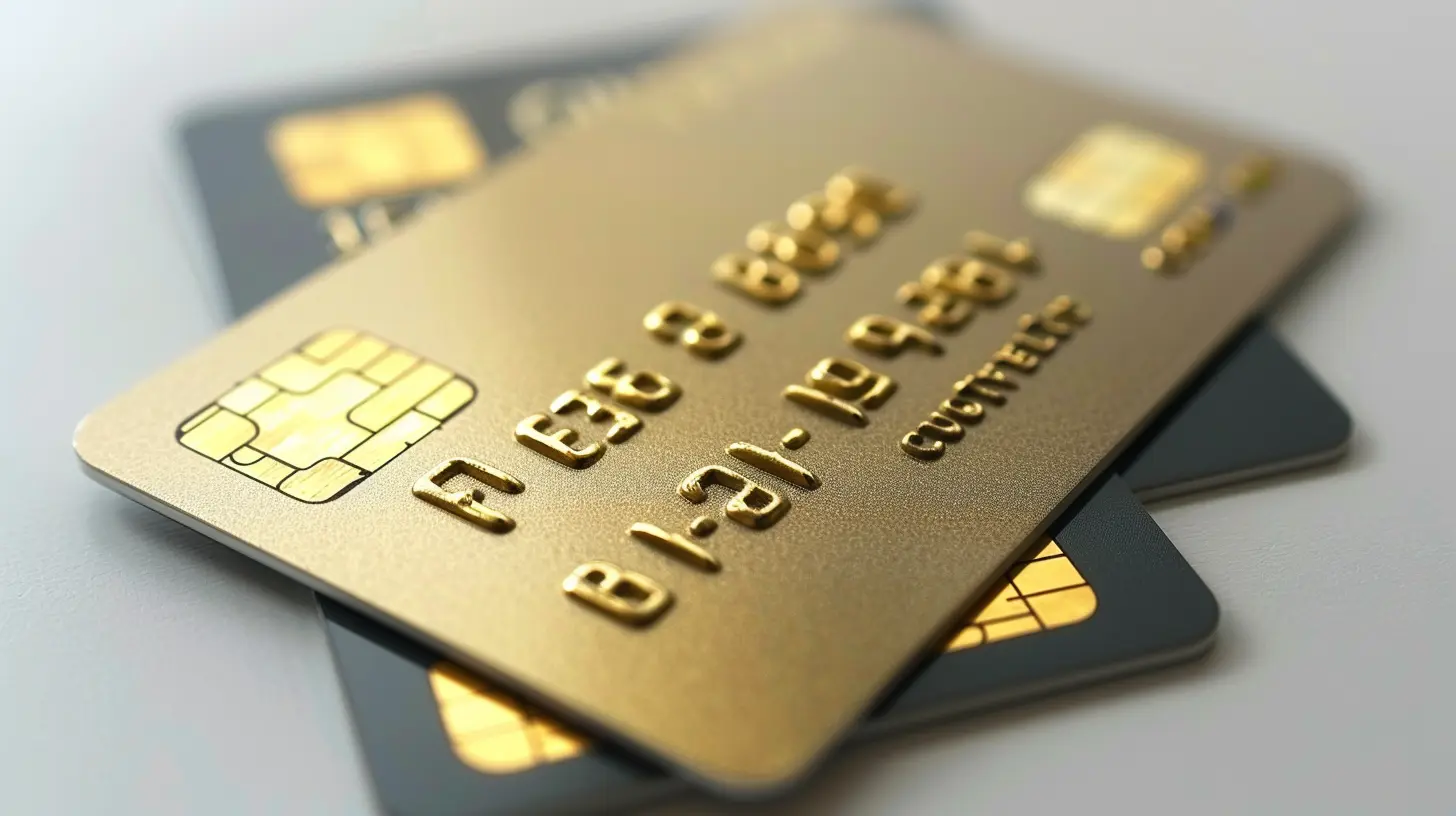
Step-by-Step Guide: Using a Secured Card to Boost Your FICO Score
1. Choose the Right Secured Credit Card
Not all secured credit cards are created equal. Some come loaded with unnecessary fees, while others have sky-high interest rates. When picking one, consider these factors:- Low or no annual fees – Why pay extra if you don’t have to?
- Reports to all three credit bureaus – Make sure your efforts count!
- A reasonable minimum deposit – Don’t tie up more money than necessary.
- Upgrade options – Some secured cards let you graduate to an unsecured card.
Pro Tip: Many major banks and credit unions offer great secured cards. Look for those with positive reviews and transparent terms.
2. Make Small, Regular Purchases
Once you’ve got your secured card, resist the temptation to max it out. Instead, treat it like a debit card—make small, manageable purchases each month (think gas, groceries, or a streaming subscription).Why? Because high balances hurt your credit utilization ratio. Ideally, you want to keep your utilization below 30%—but for the best results, aim for under 10%.
For instance, if your credit limit is $300, never let your balance exceed $90. Better yet, keep it around $30.
3. Pay Your Balance On Time—Every Time
This is non-negotiable. Payment history is the single biggest factor in your FICO score, so even one late payment can wreak havoc on your progress.Set up automatic payments if you have to. Mark due dates in your calendar. Do whatever it takes to ensure your bill is paid in full and on time each month.
4. Keep Your Card Open and Active
Remember, the length of your credit history matters. The longer your account stays open, the stronger your credit profile becomes.Some people make the mistake of closing their secured card too soon. Even if you qualify for an unsecured card later, consider keeping your secured card open—especially if it has a low or no annual fee.
5. Upgrade to an Unsecured Card When the Time is Right
After about 6 to 12 months of responsible use, banks may offer to convert your secured credit card into an unsecured one. When that happens, they’ll refund your deposit, and you’ll officially be on your way to better credit options.Even if your bank doesn’t offer an upgrade, your improved FICO score may qualify you for an unsecured card elsewhere. At that point, you can apply for a better card with higher limits and perks. 
Additional Tips to Maximize Your Credit Score Growth
1. Monitor Your Credit Report Regularly
Your credit score isn’t set in stone—it changes based on your financial behavior. That’s why it’s wise to check your credit report frequently.Sites like AnnualCreditReport.com allow you to pull your credit report from all three bureaus for free once a year. Look for errors, dispute inaccuracies, and track your progress.
2. Avoid Applying for Too Many Credit Accounts
Every time you apply for credit, a hard inquiry appears on your report. Too many hard inquiries in a short period can lower your score. Choose your applications wisely.3. Mix in Other Credit Accounts (If Possible)
Having a diverse credit mix can slightly boost your score. If you only have a secured card, consider a credit-builder loan or becoming an authorized user on someone else’s good-standing account.4. Stay Patient and Consistent
Credit improvement isn’t an overnight process—it’s a marathon, not a sprint. But if you stick to responsible credit habits, you’ll see steady progress over time.The Bottom Line
A secured credit card isn’t just another piece of plastic—it’s a stepping stone to better financial health. If you follow the right habits—keeping your utilization low, paying on time, and monitoring your progress—you’ll be well on your way to an improved FICO score.Whether you're rebuilding credit after past mistakes or starting fresh with no credit history, a secured credit card is one of the smartest financial tools at your disposal. Use it wisely, stay disciplined, and watch your credit score climb!
all images in this post were generated using AI tools
Category:
Fico ScoreAuthor:

Angelica Montgomery
Discussion
rate this article
2 comments
Melissa Fields
Thank you for this insightful article! Using a secured credit card can indeed be a powerful tool for improving one’s FICO score. I appreciate the practical tips you provided for maximizing its benefits.
January 22, 2026 at 12:20 PM
Angelica Montgomery
Thank you for your kind words! I'm glad you found the article helpful. Happy budgeting!
Audra Romero
Using a secured credit card is a smart way to improve your FICO score. Just ensure you make timely payments and keep your utilization low. Consistency is key for building a positive credit history.
January 6, 2026 at 5:05 AM
Angelica Montgomery
Thank you for the insightful comment! Timely payments and low utilization are indeed crucial for building a strong credit history. Consistency is vital for improving your FICO score with a secured card.