How to Cut Expenses Without Sacrificing Quality of Life
19 August 2026
Let's get one thing straight right now. Cutting expenses does not mean living like a monk, eating rice and beans for every meal, or canceling every subscription you own until your life feels like a punishment. That approach is not sustainable, and frankly, it is stupid. The whole point of managing money is to buy back your time, reduce stress, and enjoy the life you are actually living. If you hate the process, you will quit the process, and then you will be back to square one with a slightly more bruised ego.
The real skill is trimming the fat without cutting into the muscle. You want to remove the spending that adds no real value while protecting the things that genuinely make you happy, healthy, and sane. This is not about deprivation. It is about precision. It is about knowing exactly where your money goes, questioning every single dollar with a healthy dose of skepticism, and then making deliberate choices that align with what you actually care about.
Most people fail at this because they start with the wrong mindset. They think about what they have to give up. You need to flip that. Think about what you get to keep and what you get to improve. The goal is to make your spending work harder, not to make your life smaller.
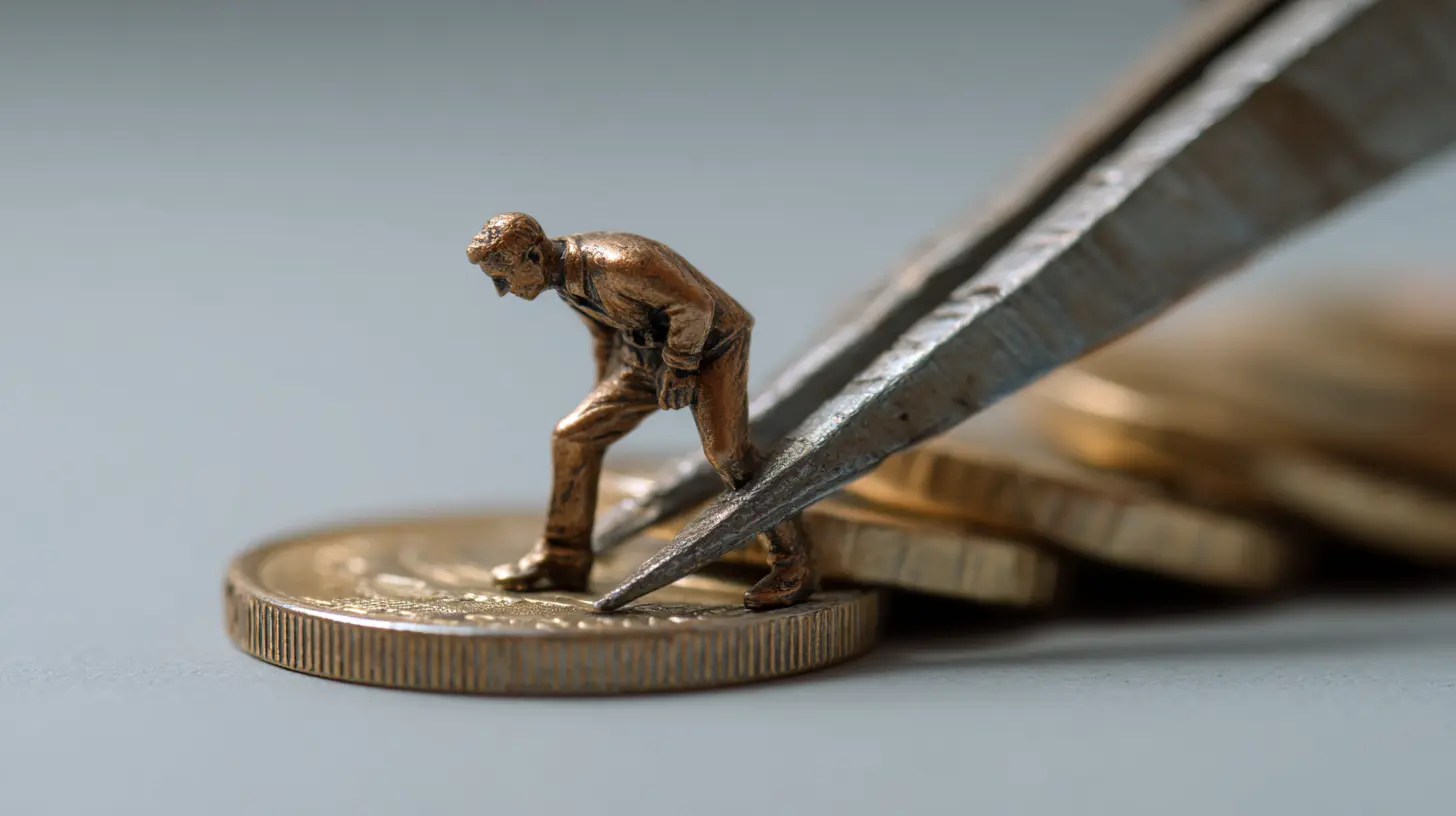
The Real Reason Your Budget Fails
Before we talk about specific cuts, we have to address the elephant in the room. Your budget is not failing because you lack willpower. It is failing because you are trying to micromanage a system that was never designed to be micromanaged. You are tracking every coffee, every snack, every tiny impulse buy, and you are doing it with the enthusiasm of someone filing taxes on a Sunday night. That is exhausting, and exhaustion leads to giving up.The better approach is to stop tracking individual transactions and start looking at your spending in categories. You do not need to know that you spent four dollars on a croissant last Tuesday. You need to know that you spend four hundred dollars a month on food that you mostly eat on the run. That is the number that matters. That is the number you can actually change.
Think of it like a diet. You do not lose weight by weighing every single pea. You lose weight by changing the proportions on your plate and eliminating the empty calories. Your money works the same way. Stop counting peas. Start fixing the plate.

The 80/20 Rule of Spending
Here is a secret that most personal finance gurus will not tell you because it is not sexy enough for a headline. Twenty percent of your spending categories are responsible for eighty percent of your overspending. If you fix those categories, you win. The rest is noise.For most people, the big three are housing, transportation, and food. These three categories eat up more than half of your take-home pay in most cases. If you are not addressing these, then canceling your streaming services is like rearranging deck chairs on the Titanic. It feels productive, but the ship is still going down.
So let us start there.
Housing: The Biggest Lever You Are Afraid to Pull
Housing is the most painful cut because it feels permanent. Moving is a hassle. Selling a house is stressful. Downsizing feels like admitting failure. But here is the thing. Housing is also the single biggest lever you have in your budget. If you can reduce your housing costs by twenty percent, that is often more money than you will save from every other cut combined.The first question you need to ask yourself is not "Can I afford this?" The question is "Is this worth what I am giving up to have it?" If you are spending forty percent of your income on rent, you are not buying a home. You are buying a lifestyle, and that lifestyle is costing you your ability to save, invest, travel, or even just breathe without financial anxiety.
You do not have to move to a cardboard box. But you might have to move twenty minutes further from the city center. You might have to drop from a two-bedroom to a one-bedroom. You might have to accept that the extra guest room is used twice a year and is costing you twelve thousand dollars a year in rent. That is not a guest room. That is a very expensive closet.
Another option that people overlook is renegotiating. If you are renting, your landlord would often rather keep a good tenant at a slightly lower rate than deal with a vacancy, cleaning costs, and the risk of an unknown tenant. So ask. The worst they can say is no. If you are a homeowner, look into refinancing if rates have dropped since you bought, or at least shop around for better insurance rates. These are not one-time fixes. They are ongoing maintenance for your budget.
Transportation: The Silent Budget Killer
Cars are a money pit that we treat as a necessity. And yes, in many parts of the country, a car is necessary. But that does not mean you need a brand new car with a seven-hundred-dollar monthly payment. That is not transportation. That is a status symbol that is bleeding you dry.Let us do some math. A new car loses about twenty percent of its value the moment you drive it off the lot. Then it loses more every year. Add in insurance, maintenance, and financing costs, and you are paying a premium for the privilege of owning something that is actively depreciating. A reliable used car, especially one that is three to five years old, gives you the same transportation for a fraction of the cost. The difference can easily be five hundred dollars a month or more.
If you live in a city with decent public transit, consider whether you even need a car for daily commutes. You might keep one for weekends and emergencies, but if you can reduce your driving, you reduce gas, maintenance, and insurance costs. Some insurance companies even offer pay-per-mile policies, which are perfect for people who drive less than ten thousand miles a year.
The key here is not to make yourself miserable. If you love driving, if your car is your hobby, then keep it and cut elsewhere. But if your car is just a tool to get from point A to point B, then stop paying luxury prices for a tool.
Food: The Most Fixable Category
Food is where most people have the biggest gap between what they spend and what they need to spend. And it is also the category where you can cut the most without feeling any real pain, if you do it right.The problem is not that you eat. The problem is that you pay for convenience, and convenience is a tax on people who are too tired or too disorganized to plan ahead. Eating out is not evil. Ordering takeout is not a moral failure. But if you are doing it five times a week, you are spending three to four times what it would cost to make the same meal at home, and you are not even getting better food. You are getting food that is slightly warmer and comes with a plastic bag.
The fix is not to ban restaurants. The fix is to reduce the frequency and increase the quality. Instead of eating out three times a week, eat out once a week and go somewhere that actually excites you. Make it an event. Then, for the other days, have a system.
Batch cooking is your friend. Spend two hours on a Sunday making a big pot of chili, some roasted vegetables, and a grain salad. Now you have lunches for three days. That is not deprivation. That is efficiency. You are saving money and you are eating food that is probably healthier than whatever you would have grabbed at a drive-through.
Also, stop buying groceries without a list. That is how you end up with three different types of hot sauce and nothing for dinner. Plan your meals for the week, buy exactly what you need, and stick to the list. You will cut your grocery bill by twenty percent just by eliminating impulse purchases and wasted food.
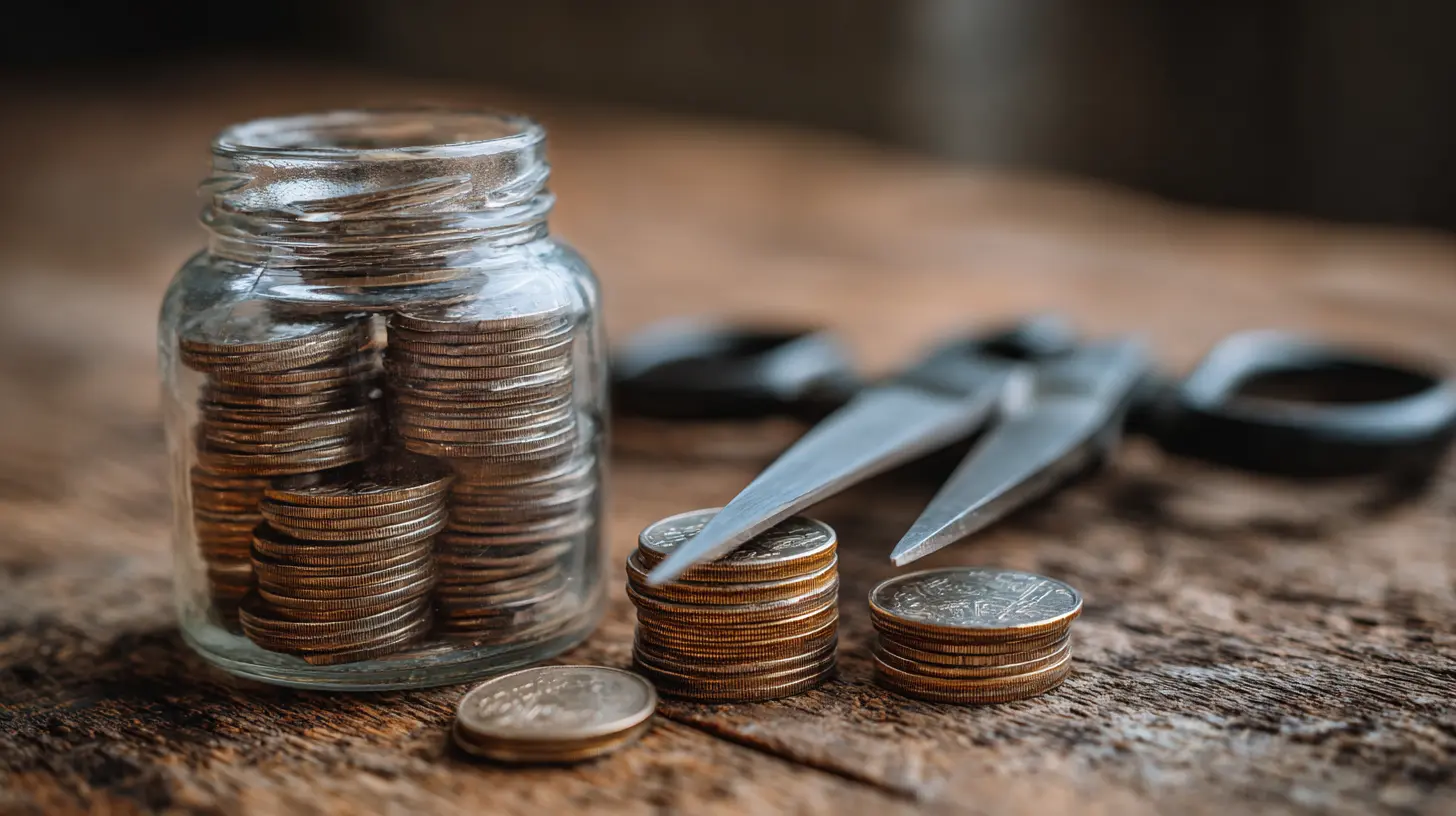
The Subscription Trap
Now let us talk about the modern scourge of personal finance. Subscriptions. These are not expensive on their own. They are expensive in aggregate. A streaming service here, a gym membership there, a cloud storage plan, a meal kit, a beauty box, a music service. Each one is ten to fifteen dollars a month. Individually, they are nothing. Collectively, they can easily add up to three hundred dollars a month, which is nearly four thousand dollars a year.Here is the trap. These subscriptions are designed to be forgotten. They auto-renew. They charge your card silently. They do not ask for permission. So you are not making a conscious choice every month to pay for them. You are just bleeding money in small amounts that never feel big enough to question.
The fix is simple but requires discipline. Do a subscription audit every three months. Go through your bank statements and list every recurring charge. Then ask yourself one question for each one. "Did I use this in the last thirty days?" If the answer is no, cancel it. You can always resubscribe later. It takes thirty seconds.
But do not cancel everything. If a subscription genuinely brings you joy, if it saves you time, if it makes your life better, keep it. The point is not to have zero subscriptions. The point is to have only the ones you actually use. A gym membership you use four times a week is a bargain. A gym membership you use twice a month is a donation to the gym owner.

The Utility Bills That Everyone Overpays
Your utility bills are another area where you are probably overpaying without realizing it. Electricity, water, internet, phone. These are all services you need, but you do not need to pay premium rates for them.Start with your phone plan. If you are paying more than fifty dollars a month for a single line, you are probably being overcharged. The major carriers have budget brands that use the exact same networks for a fraction of the price. The coverage is identical. The phone works the same. You just do not get the flashy marketing. That is a good trade.
For internet, call your provider and ask about promotional rates. Tell them you are thinking about switching. This works more often than you would think. If they do not budge, check if there is a cheaper provider in your area. Sometimes the smaller local companies offer better deals than the national giants.
For electricity, the biggest lever is not switching providers. It is reducing usage at peak times. Run your dishwasher at night. Do your laundry on weekends. Use a programmable thermostat to lower the heat when you are asleep or at work. These are small changes, but they add up to real money over a year.
The Quality of Life Paradox
Here is the part that most financial advice gets wrong. They assume that spending money is the only way to enjoy life. That is nonsense. There are plenty of expensive activities that are miserable, and plenty of free or cheap activities that are deeply satisfying.The key is to separate the cost of an activity from the value of that activity. A two-hundred-dollar dinner at a fancy restaurant can be forgettable. A twenty-dollar picnic in a park with good friends can be a core memory. You are not cutting your quality of life by skipping the fancy dinner. You are just removing an expensive experience that did not deliver.
This is not about pretending that money does not matter. It does. But it matters less than you think for your day-to-day happiness once your basic needs are met. Studies on happiness consistently show that experiences and social connections bring more lasting satisfaction than material goods. So reallocate your spending toward experiences, not things.
Instead of buying a new gadget, take a weekend trip. Instead of upgrading your wardrobe, take a cooking class. Instead of buying a bigger TV, host a game night. These are not sacrifices. They are upgrades to your actual life.
The "Treat Yourself" Fallacy
There is a pervasive idea that you need to reward yourself with spending. You worked hard, so you deserve that expensive coffee. You had a stressful week, so you deserve that shopping spree. This mindset is dangerous because it turns every minor inconvenience into a reason to spend money.The truth is that you do not need to spend money to treat yourself. A long walk, a good book, a nap, a phone call with an old friend. These are all free, and they are often more restorative than spending money on something you do not really need.
When you do decide to treat yourself, make it deliberate. Do not just buy something because you feel like you should. Buy something because you genuinely want it, and you have thought about it, and you know it will add value to your life. That is the difference between a treat and a impulse purchase. A treat is planned. An impulse purchase is a mistake.
The Comparison Trap
A huge portion of your spending is driven not by your needs, but by what you think other people have. Your neighbor has a new car, so you feel like you need one. Your coworker goes on fancy vacations, so you feel like you should too. Your friend has a designer handbag, so you start eyeing one.This is a losing game. There will always be someone with more than you. There will always be something newer, shinier, and more expensive. If you are playing the comparison game, you will never win, and you will never feel satisfied.
The way out is to define what quality of life means to you, specifically. Not to your neighbor, not to your Instagram feed, but to you. If you value travel, then skip the expensive car and spend your money on flights. If you value a nice home, then skip the fancy restaurants and invest in your space. If you value freedom, then prioritize saving and investing over buying things.
When you know what you actually care about, cutting expenses becomes easy. You are not giving anything up. You are just refusing to pay for things that do not matter to you.
What to Do With the Money You Save
Once you start cutting expenses, you will have extra money each month. Do not just leave it in your checking account where it will quietly disappear. Give it a job.First, build an emergency fund if you do not have one. Three to six months of living expenses in a high-yield savings account. This is not optional. This is the foundation of all financial stability. Without it, one unexpected car repair or medical bill can send you into debt.
After that, pay off high-interest debt. Credit cards, personal loans, payday loans. These are eating you alive with interest. The return on paying them off is guaranteed and tax-free. There is no investment that gives you a better return than eliminating a twenty-two percent interest rate.
Then, start investing. Even a small amount, consistently, over a long period, can grow into a substantial sum. The stock market has historically gone up over time, and the earlier you start, the more time your money has to compound.
Common Mistakes to Avoid
Let us go through the most common mistakes people make when trying to cut expenses, so you do not repeat them.Mistake number one is cutting too aggressively at the start. You decide to save money, so you cancel everything, stop eating out, and stop doing anything fun. You last two weeks, then you binge spend to make up for the deprivation. This is the yo-yo diet of personal finance. It does not work.
Mistake number two is ignoring the small stuff while obsessing over the big stuff. Yes, the big stuff matters, but if you are paying two hundred dollars a month in bank fees and ATM fees and late fees, that is not small. That is a leak. Fix the leaks first.
Mistake number three is being too cheap. There is a difference between being frugal and being cheap. Frugal means you get value for your money. Cheap means you sacrifice quality to save a few bucks, and then you end up replacing the cheap thing sooner, or you are miserable because you bought the worst version of something you use every day. Buy the best quality you can afford for things you use daily. A good mattress, good shoes, a good chair. These are worth spending on.
Mistake number four is not automating your savings. If you have to manually transfer money to savings every month, you will find a reason not to do it. Set up an automatic transfer that happens the day you get paid. Pay yourself first. The rest can be spent with a clear conscience.
The Long Game
Cutting expenses is not a one-month project. It is a lifestyle change. But it is a change that gets easier over time. Once you build the habit of questioning every purchase, once you get used to living on less, once you see your savings grow, it becomes second nature.You will start to feel a different kind of wealth. Not the kind that comes from owning things, but the kind that comes from knowing you have options. You can quit a job you hate because you have savings. You can take a sabbatical because you have a cushion. You can say no to things that do not serve you because you are not desperate.
That is the real quality of life. It is not about having more stuff. It is about having more control.
So be bold. Be sassy. Question every dollar. Cancel the things that do not matter. Keep the things that do. And remember that you are not sacrificing anything. You are just refusing to overpay for a life that could be better.
all images in this post were generated using AI tools
Category:
Recession PrepAuthor:

Angelica Montgomery