How Personal Loans Influence Your FICO Score
26 December 2025
Personal loans can be lifesavers in a financial pinch. Whether you’re looking to consolidate high-interest debt, tackle an unexpected medical bill, or maybe even finance a big purchase—personal loans can give you the breathing room you need. But here's something many people overlook—how exactly does taking out a personal loan affect your FICO score?
Let’s dig in and break it all down in simple, human language (no finance degree required).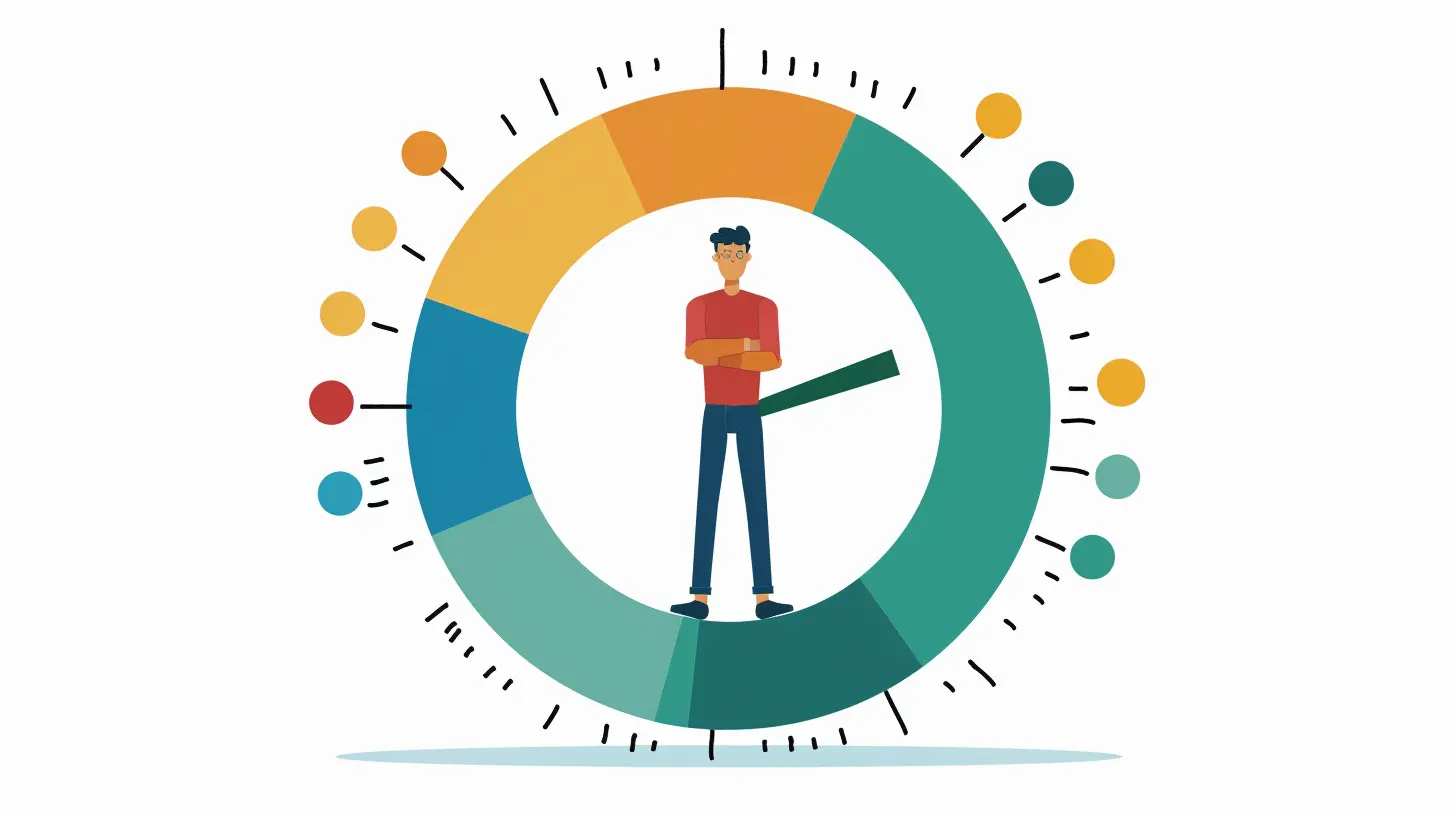
What Is a FICO Score, Anyway?
Before we get into personal loans, let’s get clear on what a FICO score actually is.Your FICO score is a three-digit number that tells lenders how "creditworthy" you are. In other words, it’s like your financial report card. It ranges from 300 (gulp) to 850 (rockstar status), and it plays a big role in whether you get approved for credit and what interest rate you’re offered.
The score is calculated based on five main ingredients:
- Payment history (35%) – Do you pay your bills on time?
- Amounts owed (30%) – How much of your available credit are you using?
- Length of credit history (15%) – How long have you been building credit?
- Credit mix (10%) – Do you have a healthy variety of credit types (credit cards, auto loans, mortgages)?
- New credit (10%) – Have you applied for a lot of new credit recently?
Okay, now that we’ve got that down, let's connect the dots between this score and personal loans.
So, What Is a Personal Loan?
In the world of credit, a personal loan is a type of installment loan. That means you borrow a fixed amount of money and agree to pay it back—plus interest—over a set period (usually with monthly payments).Unlike auto or home loans, personal loans are unsecured. That’s a fancy way of saying there’s no collateral backing them. The lender can’t just snag your car or house if you miss a payment (though your credit score will take a hit).
Applying for a Personal Loan: The First Impact on Your FICO Score
Let’s say you’re shopping around for a personal loan. You’ve filled out a few applications, and suddenly your phone is lighting up with lender offers.But whoa—your credit score dips a little. What gives?
Here’s what’s happening:
Hard vs. Soft Inquiries
When you compare loan offers or pre-qualify online, lenders usually perform a soft inquiry. Good news: this doesn’t affect your credit score at all.But once you formally apply for the loan, that’s a hard inquiry. And yes, hard inquiries tick your score down by a few points (usually 5 or less). It’s temporary, but it’s real.
Too many hard inquiries in a short span? That can raise red flags for lenders and ding your score further. So, go loan shopping wisely.
💡 Pro tip: All applications for the same type of loan made within a 14–45 day window (depending on the scoring model) are usually treated as one single inquiry. So, rate shop efficiently!
How Personal Loans Can Help Your Credit Score
Believe it or not, personal loans can actually help you boost your FICO score—if you use them smartly. Let’s look at a few ways that might happen.1. Boosting Your Credit Mix
Remember how 10% of your score comes from the types of credit you hold?Well, if your credit portfolio is currently all revolving debt (think credit cards), adding an installment loan like a personal loan can improve your credit mix. Lenders love seeing that you can manage different types of credit responsibly.
It’s kind of like adding another tool to your financial toolbox.
2. Lowering Your Credit Utilization
This one's a game-changer.Say you’ve racked up $10,000 in high-interest credit card debt, and your total available credit limit is $12,000. That makes your utilization rate around 83%—yikes. Ideally, you want to stay under 30%.
Now, if you take out a personal loan to pay off that credit card debt, your credit utilization across revolving accounts drops to 0%, and your credit score can get a noticeable lift. The debt is still there, but it’s now in the form of an installment loan, which doesn’t impact utilization the same way.
It’s the old “move it around to look better” trick—and it works.
3. Establishing a Positive Payment History
Since payment history makes up the biggest chunk of your FICO score (35%), making those on-time monthly payments on your loan can really work in your favor.It’s like showing up to class every day and turning in your homework. You might not be the star pupil, but you’re dependable. And lenders love dependable.
How Personal Loans Can Hurt Your Credit Score
Now, let’s flip the coin. Because yes, personal loans can mess up your score too—if you’re not careful.1. Missed or Late Payments
This is the biggie.Missing even one payment—or making it 30+ days late—can cause your score to plummet. And once that negative mark hits your credit report, it’ll hang out there for up to 7 years.
So, if you’re going to take on a personal loan, make sure you can manage the monthly payments. Set reminders, automate payments—do what you gotta do.
2. Increasing Your Debt Load
If you use a personal loan to pay off credit cards, but then run the cards right back up—well, now you’ve got double the debt.That’s like fixing a leak in your roof with duct tape and then throwing a water balloon at it for fun.
Taking on more debt than you can comfortably repay will hurt your FICO score, your wallet, and probably your peace of mind.
3. Short-Term Score Drop
Even when used responsibly, personal loans can cause a small dip in your score at the beginning—thanks to that hard inquiry and the new account. But this is usually short-lived.As long as you manage the loan well, your score should bounce back (and maybe even climb higher) within several months.
Long-Term Effects of a Personal Loan on Credit
Now, let’s talk timeline.First 0–6 Months:
- Expect a small dip from the hard inquiry and the new account being added.- If you pay bills on time, your score starts stabilizing.
6–12 Months:
- You’ve got a few on-time payments under your belt.- Credit mix improves.
- Utilization on credit cards is likely lower (especially if you’ve paid them off).
- Score starts to trend upward.
12–24 Months and Beyond:
- You’re building an excellent payment history.- If you haven’t added new debt and kept credit card balances low, your score could be better than ever.
It’s a marathon, not a sprint. But the long-term benefits are real.
When Is a Personal Loan a Good Idea for Your Credit?
Let’s keep it practical. A personal loan could be a good idea if:- You’re drowning in high-interest credit card debt and need to consolidate.
- You want to lower your credit utilization ratio.
- You're looking to improve your credit mix.
- You have a solid plan (and budget!) to make all your monthly payments on time.
But if you’re already struggling to make ends meet or you’re likely to use a personal loan to fund unnecessary spending? Probably not the best move.
Tips for Using Personal Loans to Help (Not Hurt) Your Credit
1. Shop smart. Check your rate with a soft inquiry before you commit.2. Compare loan terms. Interest rates, fees, and repayment periods all matter.
3. Borrow only what you need. Don’t get tempted by a larger loan amount “just because.”
4. Automate your payments. Never miss due dates.
5. Keep credit card balances low. Don’t fall into the trap of reusing credit lines after paying them off.
6. Track your credit. Apps like Credit Karma or Credit Sesame can keep you in the loop.
Final Thoughts
Personal loans are like fire—they can warm your house or burn it down.Used wisely, they can absolutely improve your FICO score by diversifying your credit mix, lowering your credit utilization, and helping you build a solid payment history. But if you’re careless about how you manage them, they can drag your score down just as fast.
So ask yourself: Why do I need the loan? Can I afford the payments? And will this move help me in the long run?
Use that inner voice like your own financial GPS. Your credit score—and future self—will thank you.
all images in this post were generated using AI tools
Category:
Fico ScoreAuthor:

Angelica Montgomery
Discussion
rate this article
2 comments
Charlie Perez
Personal loans and FICO scores: they’re like a couple on a rollercoaster—thrills, chills, and the occasional scream. Just remember, keep your credit in the 'up' position for smoother rides ahead!
January 21, 2026 at 3:50 AM
Angelica Montgomery
Thanks for the creative analogy! Maintaining a healthy credit score is indeed essential for a smoother financial journey.
Melody Scott
Understanding the impact of personal loans on your FICO score is crucial for financial health. Responsible borrowing and timely repayments can enhance your creditworthiness, while mismanagement may lead to long-term consequences. Knowledge is power in navigating your financial journey.
December 26, 2025 at 11:45 AM
Angelica Montgomery
Thank you for your insightful comment! Understanding personal loans' impact on your FICO score is indeed vital for maintaining financial health. Responsible management is key!