Factors That Influence Your FICO Score and How to Improve Them
7 April 2026
Hey there, credit warrior! 🧠💳 Ever feel like your credit score is this mysterious number that rules your financial life, but no one really explained how it works? Like it’s the boss level of adulting, and you didn’t get a tutorial?
We’ve all been there, staring at that three-digit number—your FICO score—wondering, “Why is this so important, and how the heck can I make it better?”
Well, grab a snack and get comfy because we’re diving deep into the world of FICO scores—what factors shape them, how they tick, and most importantly, what you can do to boost yours without pulling your hair out.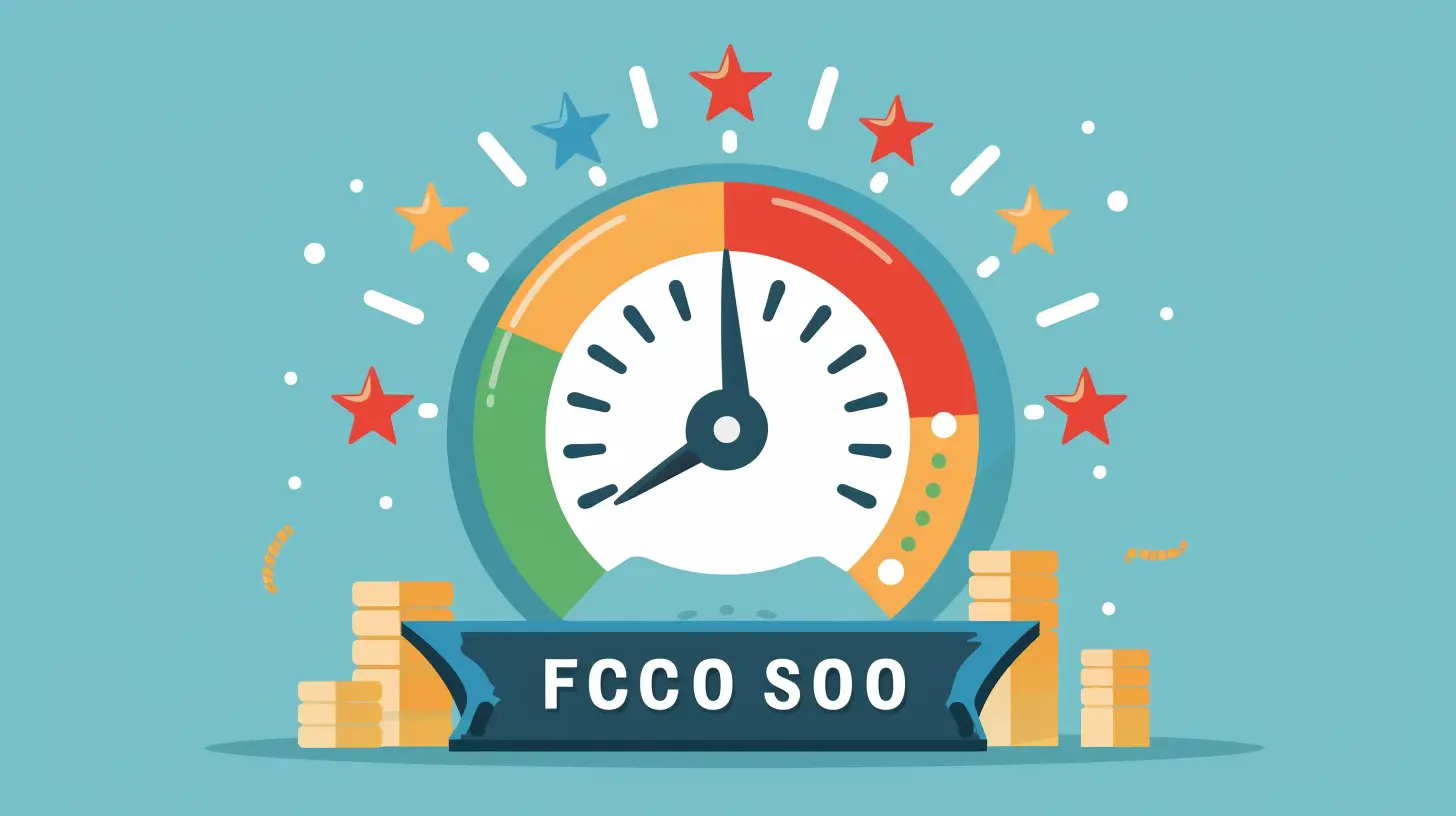
What is a FICO Score Anyway?
Think of your FICO score like your financial report card. It ranges from 300 to 850, and it tells lenders how risky you might be as a borrower. The higher your score, the more likely you are to get approved for loans, credit cards, and even sometimes rental applications.Basically, it’s your financial reputation squished into a number.
Here’s how it breaks down:
- 300–579: Poor
- 580–669: Fair
- 670–739: Good
- 740–799: Very good
- 800–850: Exceptional
Now, let’s peek backstage and see what makes your score go up—or down.
1. Payment History (35% of Your Score)
Let’s start with the big kahuna. Payment history makes up a massive 35% of your FICO score. That means whether you pay your bills on time—or not—has the biggest influence on that number.Late payments? Collections? Charge-offs? Oof. These can haunt your score for years like a financial ghost 🧟.
How to Improve It:
- Set up auto-pay for your bills so you never forget a due date.- Even if you can’t pay in full, pay the minimum to avoid a late mark.
- Negotiate with creditors if you’re behind—some may offer a payment plan or even remove a late penalty if you ask nicely.
- Check your credit report for errors; sometimes your score drops unfairly due to mistakes.

2. Credit Utilization (30% of Your Score)
This one’s a little sneaky. Credit utilization is how much of your credit limit you’re using. So let’s say you have a $10,000 limit and you’ve spent $5,000—your utilization is 50%.High utilization = red flag for lenders. It's like you’re leaning too hard on your credit lifeline.
How to Improve It:
- Aim for under 30% utilization (under 10% is even better).- Pay off balances early, especially before the statement date.
- Ask for a credit limit increase—more available credit means lower utilization, even if you're spending the same amount.
- Open another credit card (if you can handle it responsibly) to boost your total credit limit.
3. Length of Credit History (15% of Your Score)
Length matters (in credit, that is). The longer you've had credit accounts open, the better. It shows lenders that you’re not new to the game.How to Improve It:
- Don’t close old accounts unless there’s a really good reason. That old credit card you've barely used in years? It’s actually helping your score!- Become an authorized user on someone else’s long-standing, positive credit account (like a parent or spouse who pays responsibly).
Patience is key here, so play the long game.
4. Credit Mix (10% of Your Score)
Variety is the spice of life—and also your credit score 🤓. Lenders like to see that you can manage different types of credit responsibly. Think credit cards, student loans, mortgages, auto loans—you get the idea.But don’t go wild opening new accounts just to add variety. That can backfire.
How to Improve It:
- Add installment loans like a personal loan or car loan, if it makes sense for you.- Maintain your revolving credit like credit cards—even if you just use them for Netflix subscriptions.
5. New Credit Inquiries (10% of Your Score)
Every time you apply for credit, a “hard inquiry” is added to your credit report. Too many of these in a short span? That can be a red flag for lenders.It’s kind of like going on 10 first dates in one weekend—yeah, it raises eyebrows. 👀
How to Improve It:
- Limit new credit applications to only when you need them.- Rate shop smartly, especially for things like mortgages or car loans. FICO often treats multiple inquiries in a 30-45 day period as just one, so you can compare lenders without hurting your score.
Bonus: Negative Marks That Can Sting
Life happens, and sometimes your credit takes a hit. Here are a few things that can tank your score faster than you can say “denied”:- Bankruptcy: Can stay on your report for up to 10 years.
- Foreclosure
- Charge-offs
- Tax liens
- Accounts in collections
If any of these show up, don’t panic—but don’t ignore them either.
What You Can Do:
- Start rebuilding immediately. Time does heal, especially in credit.- Settle unpaid accounts if you can. It won’t erase the mark, but it looks better than leaving them hanging.
- Dispute inaccuracies. Mistakes on your credit report? File a dispute with the credit bureaus—stat.
Habits That Help You Win the Credit Game 🏆
Alright, so we’ve covered what affects your FICO score. But what are those real-world, every day habits that make a difference?Here’s a quick cheat sheet:
1. Pay bills on time—every single one.
2. Keep balances low.
3. Use credit regularly but wisely.
4. Check your credit report (at least once a year) through sites like AnnualCreditReport.com.
5. Don’t apply for credit unless you need to.
6. Be patient. Good credit doesn’t happen overnight, but it does happen!
The Myth Busters: Clearing Up Credit Confusion
You’ve probably heard some of these credit myths floating around—let’s bust 'em real quick:- 💬 “Checking my credit score hurts it.”
Nope! That’s a soft inquiry and has zero effect on your score. Only hard inquiries count.
- 💬 “Carrying a balance helps my score.”
Not true! Paying in full is best—interest payments don’t boost your credit.
- 💬 “Closing old cards improves your score.”
Actually, it can hurt your score by shortening your credit history and lowering your credit limit.
- 💬 “You need to be rich to have good credit.”
Totally false! Good habits matter way more than your income level.
When To Check Your Score
You don’t need to obsessively check your FICO score every day, but keeping an eye on it monthly is a smart habit. Many banks and credit cards now offer free score monitoring—use it!If you’re planning a big purchase—like a house or car—start watching at least 6 months in advance. That gives you time to polish up that score!
What’s a “Good” Score Worth Anyway?
A good FICO score can save you serious money in the long run. Lower interest rates, better approval chances, higher credit limits—you name it.Let’s break it down:
- Mortgage: A higher score = lower interest = tens of thousands saved.
- Auto loans: Better offers and lower monthly payments.
- Credit cards: Access to rewards cards and higher limits.
Even beyond money, good credit can affect job applications, rentals, and even your dating life (yes, really—some people do ask!).
Final Thoughts: You + Credit = A Power Couple 💘
Improving your FICO score may not happen overnight, but it’s totally within your reach. It's like tending a garden—you plant the right seeds (positive habits), water them regularly (on-time payments, low balances), and give it time.Before you know it, you’ll have a lush, green credit profile blooming with opportunity.
So the next time you hear someone groan about credit scores, you can confidently say, “I’ve got this.”
Now go on, flex that financial muscle!
all images in this post were generated using AI tools
Category:
Fico ScoreAuthor:

Angelica Montgomery
Discussion
rate this article
2 comments
Everett Cannon
Great article! Understanding FICO score factors and improvement strategies is essential for financial health. Thanks for sharing these valuable insights to help us all succeed!
April 22, 2026 at 11:16 AM
Angelica Montgomery
Thank you for the kind words! I'm glad you found the insights helpful. Here's to improving our financial health together!
Winter McCallum
Master your FICO: small changes yield big rewards—your wallet will thank you later!
April 8, 2026 at 2:36 AM
Angelica Montgomery
Absolutely! Even minor adjustments can lead to significant improvements in your FICO score and savings.