Are Government Bonds Still a Safe Haven in Today’s Economy?
9 May 2026
When things get rocky in the financial world, government bonds have traditionally been the warm, cozy blanket investors wrapped themselves in. But in today’s unpredictable economy—where inflation, interest rates, and global uncertainties keep shifting—are they still the go-to safe haven?
Let’s break it down in plain English—no financial jargon, no confusing charts, just a clear and fun discussion about whether government bonds are still holding onto their reputation as the ultimate financial security blanket. 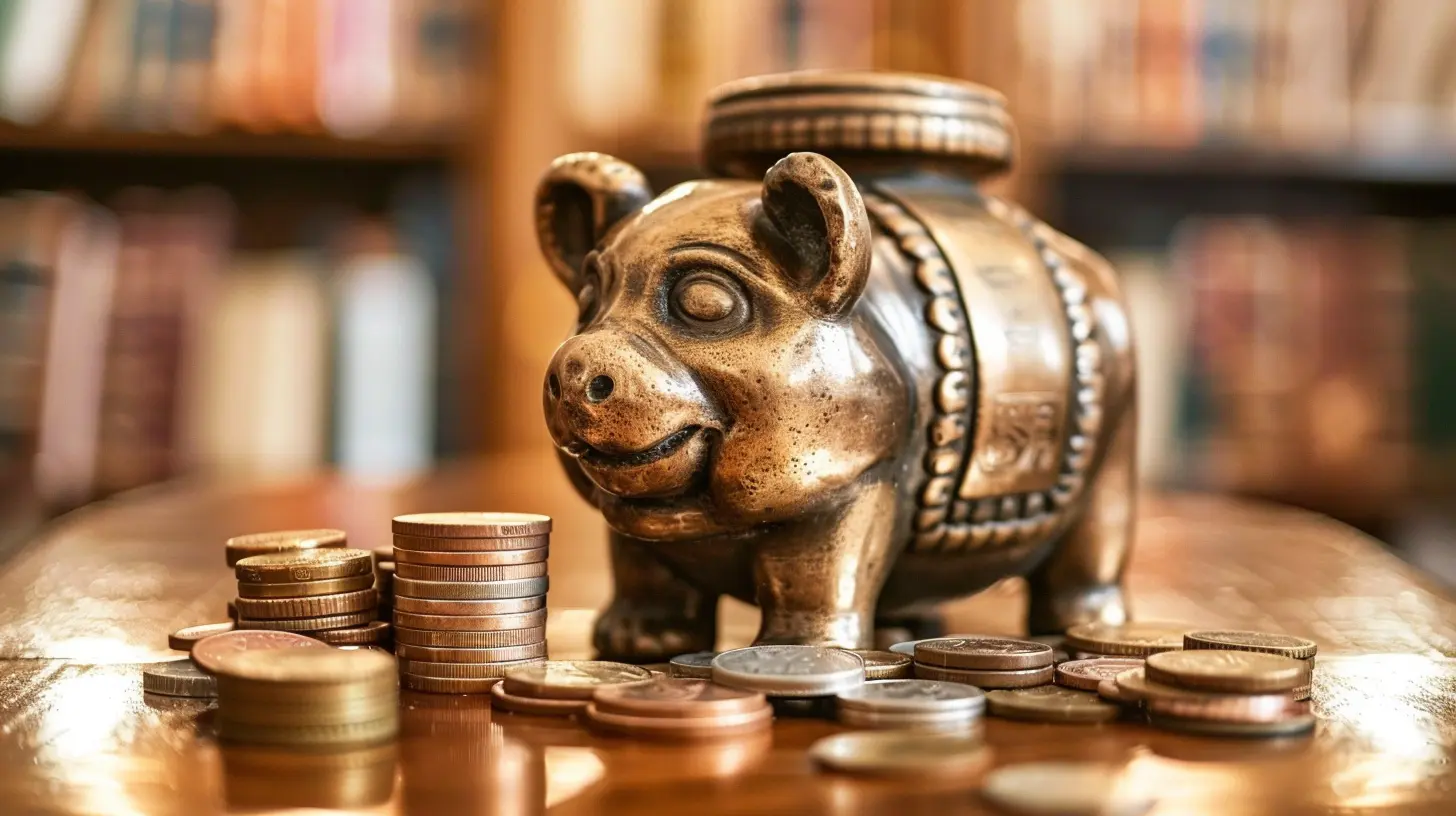
? What Are Government Bonds (And Why Do People Love Them)?
Before we jump into whether government bonds are still a reliable investment, let’s quickly go over what they actually are. In simple terms, a government bond is like lending money to Uncle Sam (or whatever government you're buying from). In return, the government promises to pay you back with interest.For decades, they’ve been seen as the “boring but safe” investment. And, let’s be honest, in a world where the stock market can swing like a rollercoaster, boring can be a good thing.
But times are changing. Interest rates are fluctuating, inflation is rising, and economic uncertainty is at an all-time high. So, is it still worth parking money in government bonds? 
? The Traditional Argument: "Government Bonds Are Safe"
Historically, government bonds have been the investment of choice when the stock market gets too dramatic. Why?1. Governments Don't (Usually) Default – Unlike corporations, governments can print money or raise taxes to pay their debts. So, their bonds have been seen as one of the safest assets you can own.
2. Stable Returns – Unlike stocks, which can go up and down unpredictably, bonds offer fixed interest payments. If you hate surprises, that’s a huge plus.
3. Portfolio Stability – Investors often use bonds to balance the risk in their investment portfolios. When stocks dip, bonds usually hold steady (at least, that was the idea).
But does this old-school logic still hold up in today’s economy? Let’s put it to the test. 
? The Challenges: Why Government Bonds Might Not Be as Safe
? 1. Rising Interest Rates – The Bond Killer
Here’s the deal: When interest rates rise, bond prices drop. Why? Because when new bonds start offering higher interest, the old ones (which pay lower interest) become less attractive. Investors would rather buy the new ones than be stuck with outdated, lower-interest bonds.Right now, central banks are hiking interest rates to battle inflation. That’s bad news if you already own government bonds because their value could take a hit.
? 2. Inflation is the Silent Wealth Eroder
Inflation is like that sneaky friend who eats your fries when you’re not looking. It slowly eats away the purchasing power of your money. If inflation is higher than the interest your bond pays, you’re actually losing money in real terms.For example, if your government bond pays 3% interest but inflation is running at 5%, your real return is actually negative 2%. Ouch.
? 3. Global Uncertainty and Debt Levels
Governments around the world have been borrowing heavily, especially after events like the COVID-19 pandemic and various economic downturns. The more debt a country racks up, the riskier its bonds can become.While U.S. government bonds are still considered a gold standard of safety, other countries may struggle to meet their obligations, making their bonds riskier than before. 
✅ The Case for Government Bonds: Why They Might STILL Be Worth It
Despite these challenges, government bonds aren’t entirely out of the game. Here’s why they could still play a role in a well-balanced investment strategy:✅ 1. Safer Than Stocks in a Crash
If the stock market crashes, people tend to panic and rush toward safe assets. Government bonds still serve as a hedge against economic chaos. If you’re looking to reduce overall risk, bonds can still be a smart move.✅ 2. Interest Rates Might Stabilize
Yes, rising interest rates hurt existing bonds, but once rates peak and start coming down, bond prices go back up. If you buy bonds when rates are high, you might lock in a decent return once rates settle.✅ 3. The Power of Diversification
A well-diversified portfolio needs a mix of assets. Even if bonds aren’t as exciting as they once were, having some in your portfolio can provide a safety net when things get shaky elsewhere.? So, Should You Still Invest in Government Bonds?
That depends on your financial goals. If you’re looking for a safe place to park cash, short-term government bonds (which are less sensitive to interest rate changes) might be a solid bet.But if you’re expecting massive returns, bonds may disappoint—especially in an environment where inflation is eating away at fixed incomes.
Here’s a simple rule of thumb:
- If safety is your top priority, some government bonds can still make sense, especially in uncertain times.
- If you’re looking for growth, you might want to explore other options like stocks, real estate, or even inflation-protected bonds.
? The Bottom Line
Government bonds are still a safe haven—but with some caveats. They offer stability and security, but in today’s economy, they aren’t the bulletproof investment they once were.If you’re considering bonds, think about:
✅ The impact of rising interest rates
✅ How inflation might affect returns
✅ Whether you need a safe asset in your portfolio
In short, government bonds are like that old, reliable car—you know it’ll get you where you need to go, but it might not be the fastest or flashiest ride.
What do you think? Do government bonds still deserve the “safe haven” label, or are they losing their shine? Let’s chat in the comments!
all images in this post were generated using AI tools
Category:
Government BondsAuthor:

Angelica Montgomery
Discussion
rate this article
1 comments
Sierra Franco
Safety in bonds still matters.
May 10, 2026 at 10:46 AM